Division of Consolidated Laboratory Services (DCLS)
Labs often require 100% outside air. This large load of humidification is a perfect place to apply......
Existing Customers Call 626-359-4550 Or Visit Customer Care

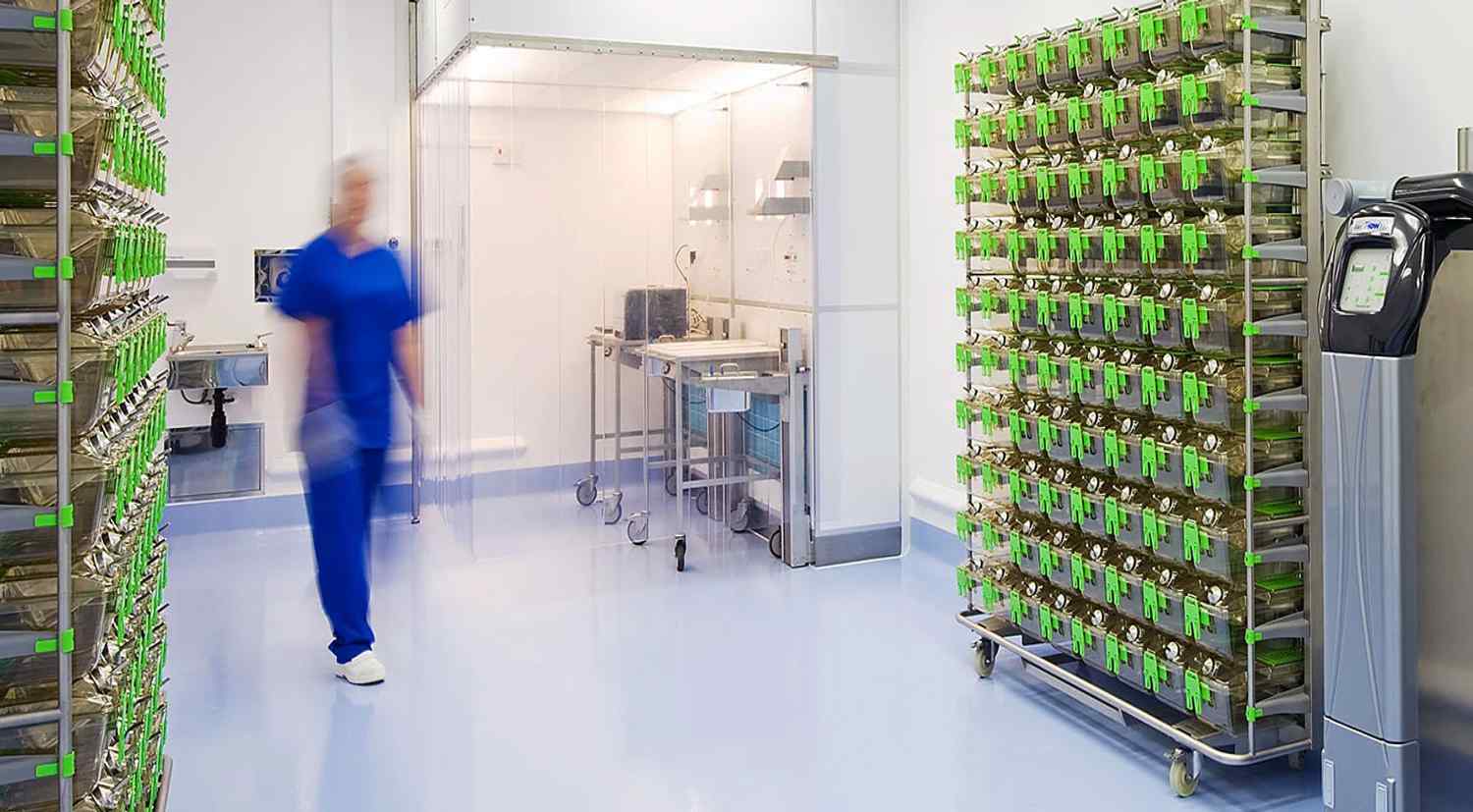
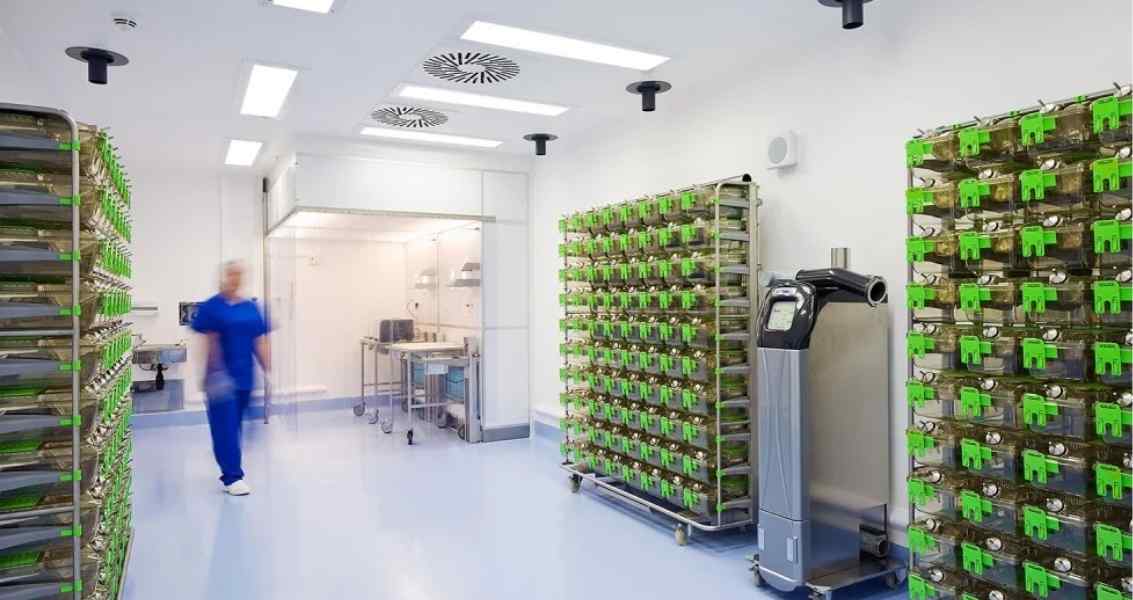
Lab humidification systems stabilize the environment by reducing fluctuations in temperature and humidity. Testing labs require close environmental control to maintain the integrity of results. Labs often require 100% outside air, and this large load of humidification is a perfect place to apply an energy-efficient MeeFog system.
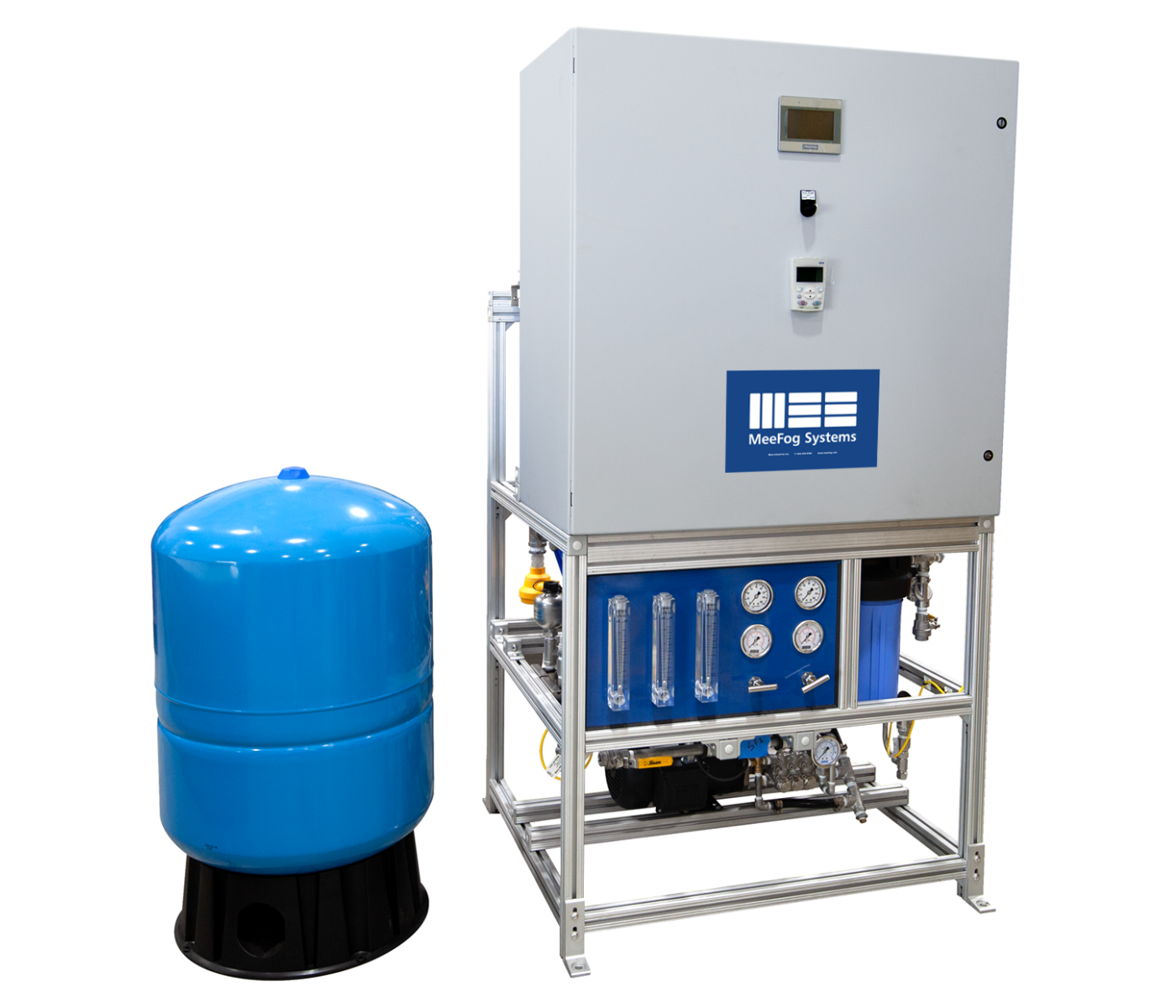
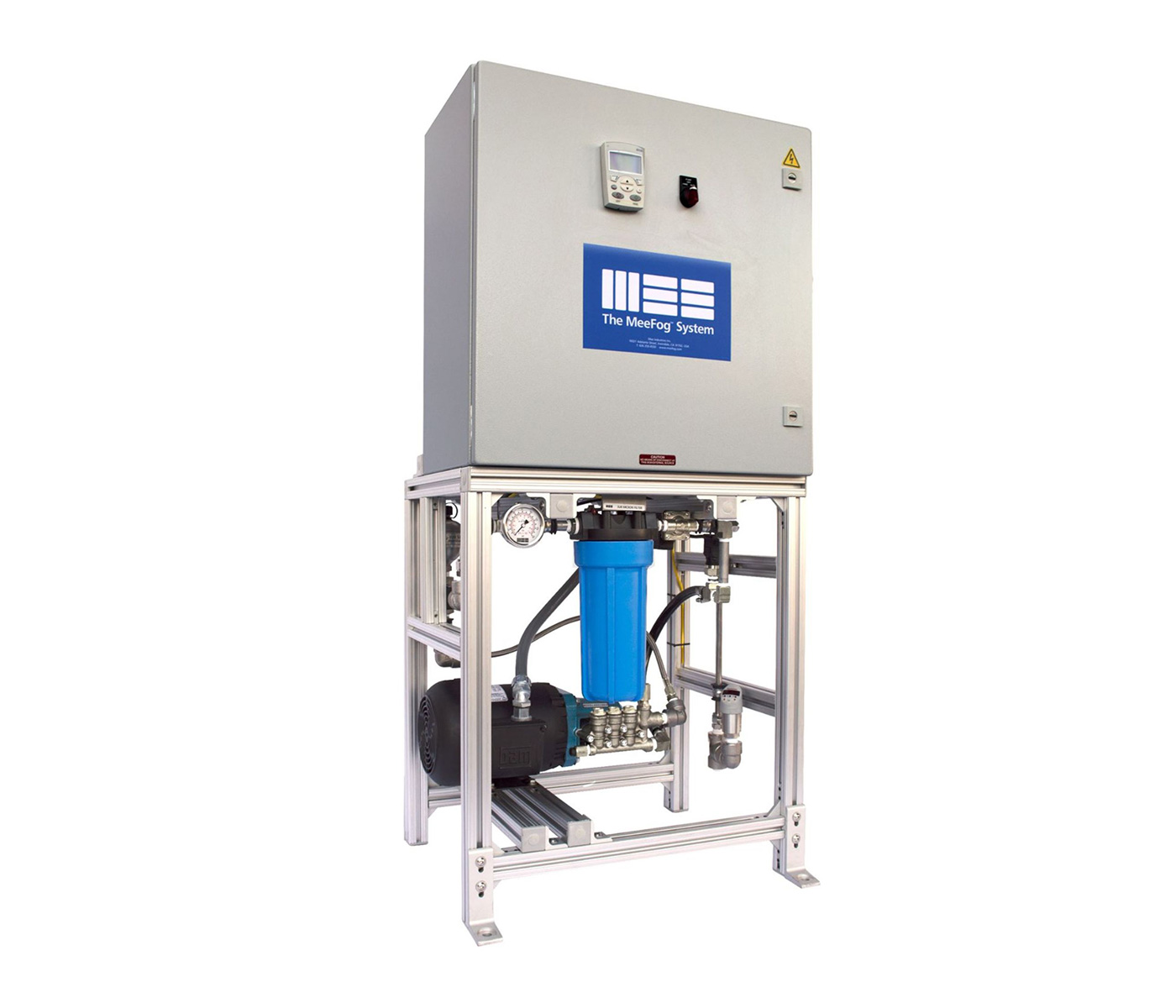
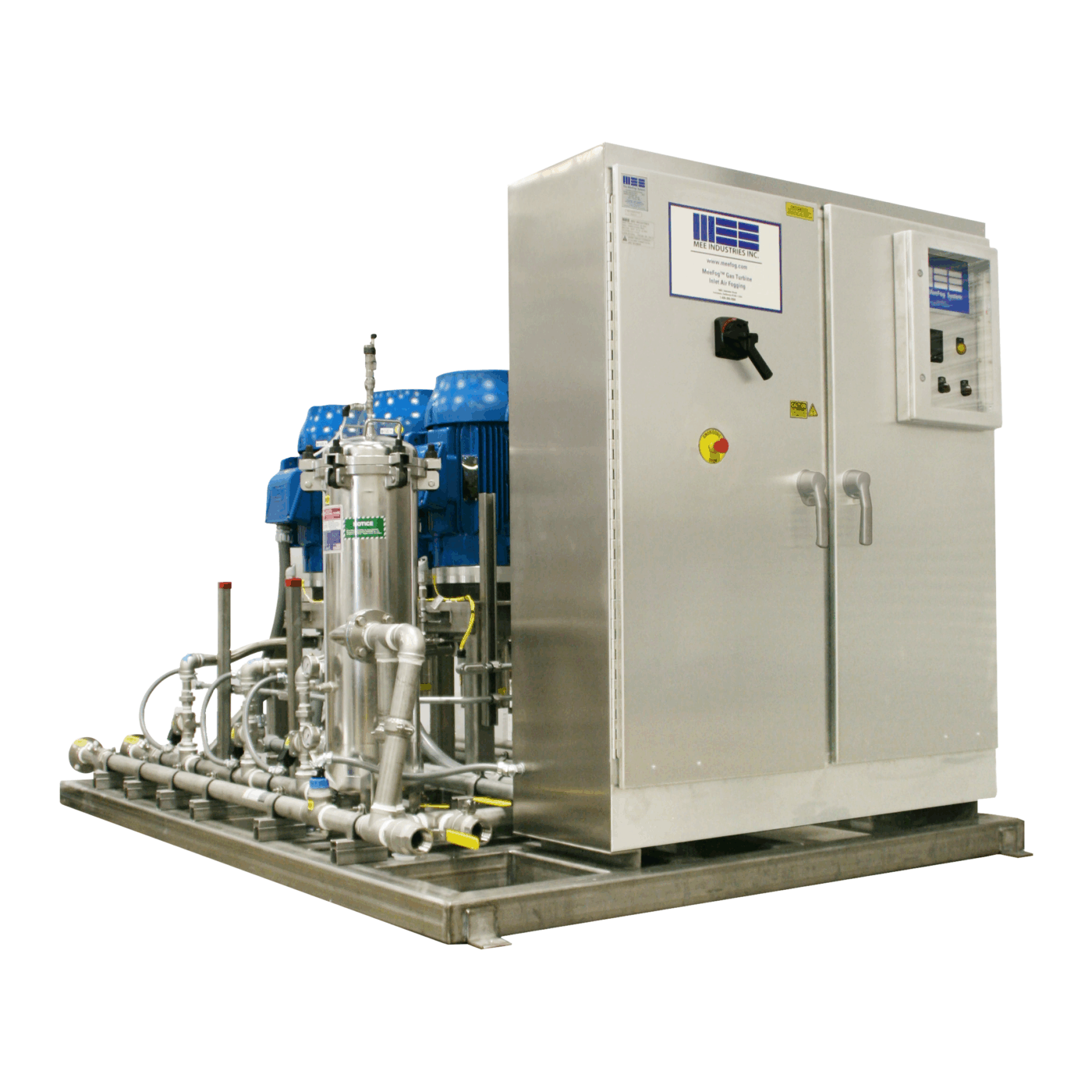
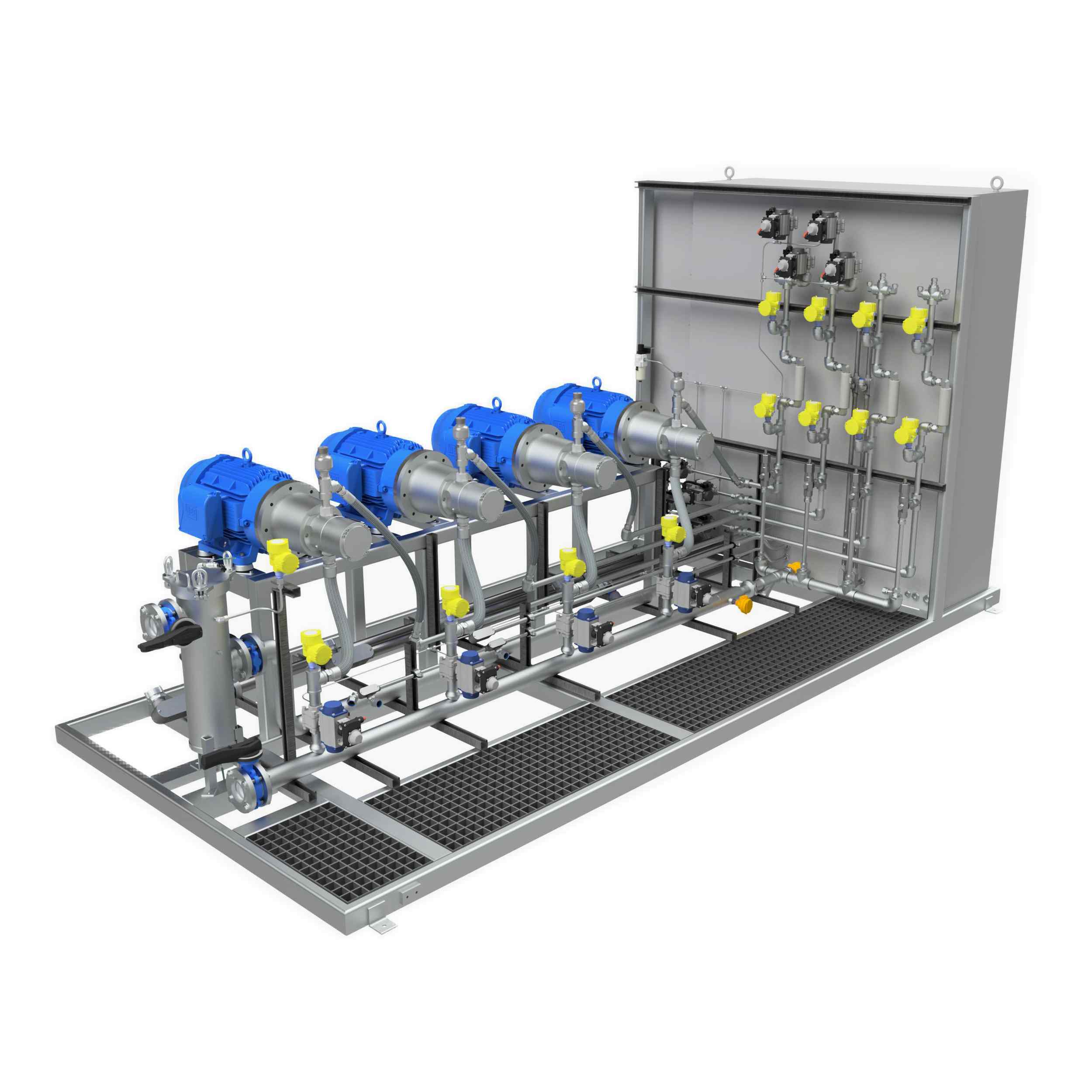
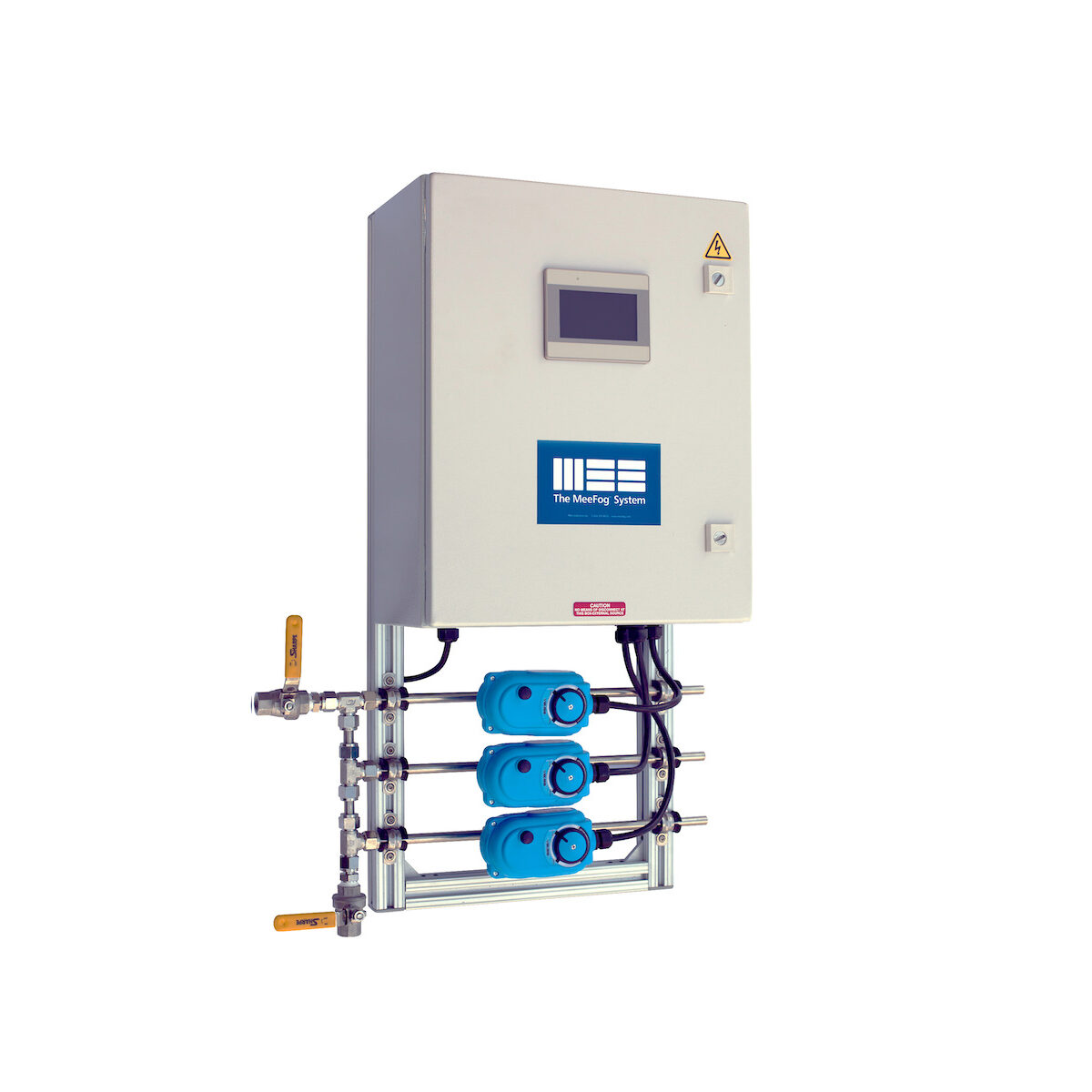
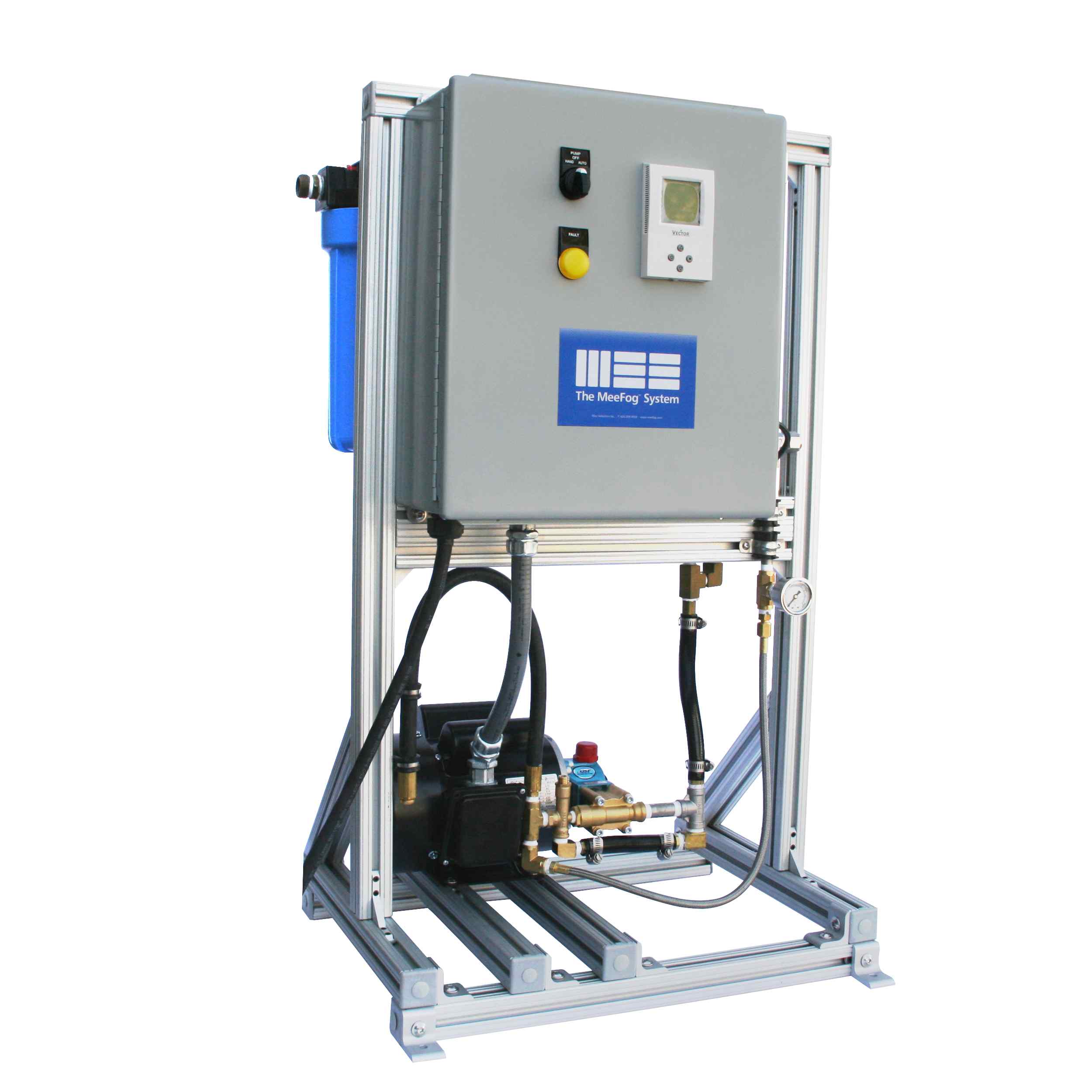
MeeFog systems consist of a pump rack with VFD, pressure transducers, and a single-point power connection. The unit works as a central humidifier for your lab, with distributed piping that supplies multiple air handlers in a building to separately control the amount of humidity introduced into the air at each room or location.
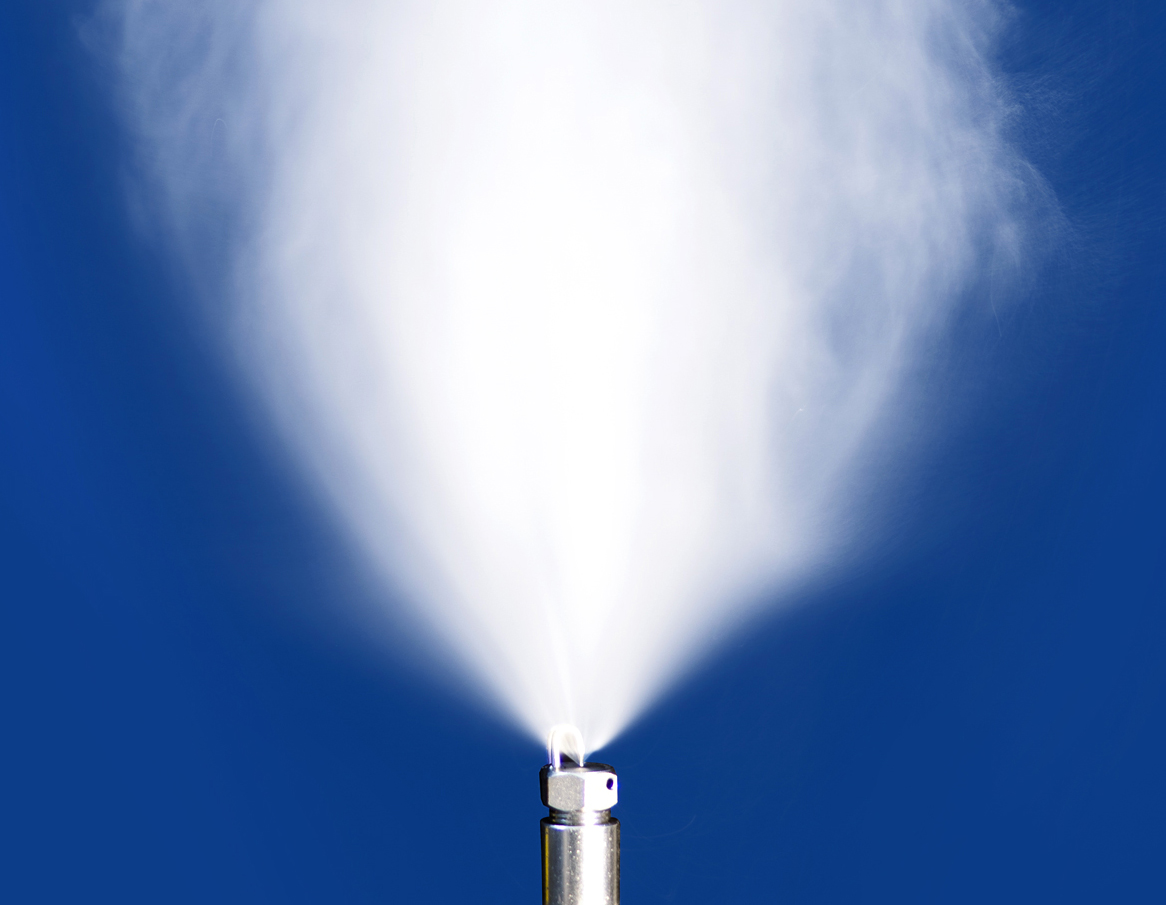
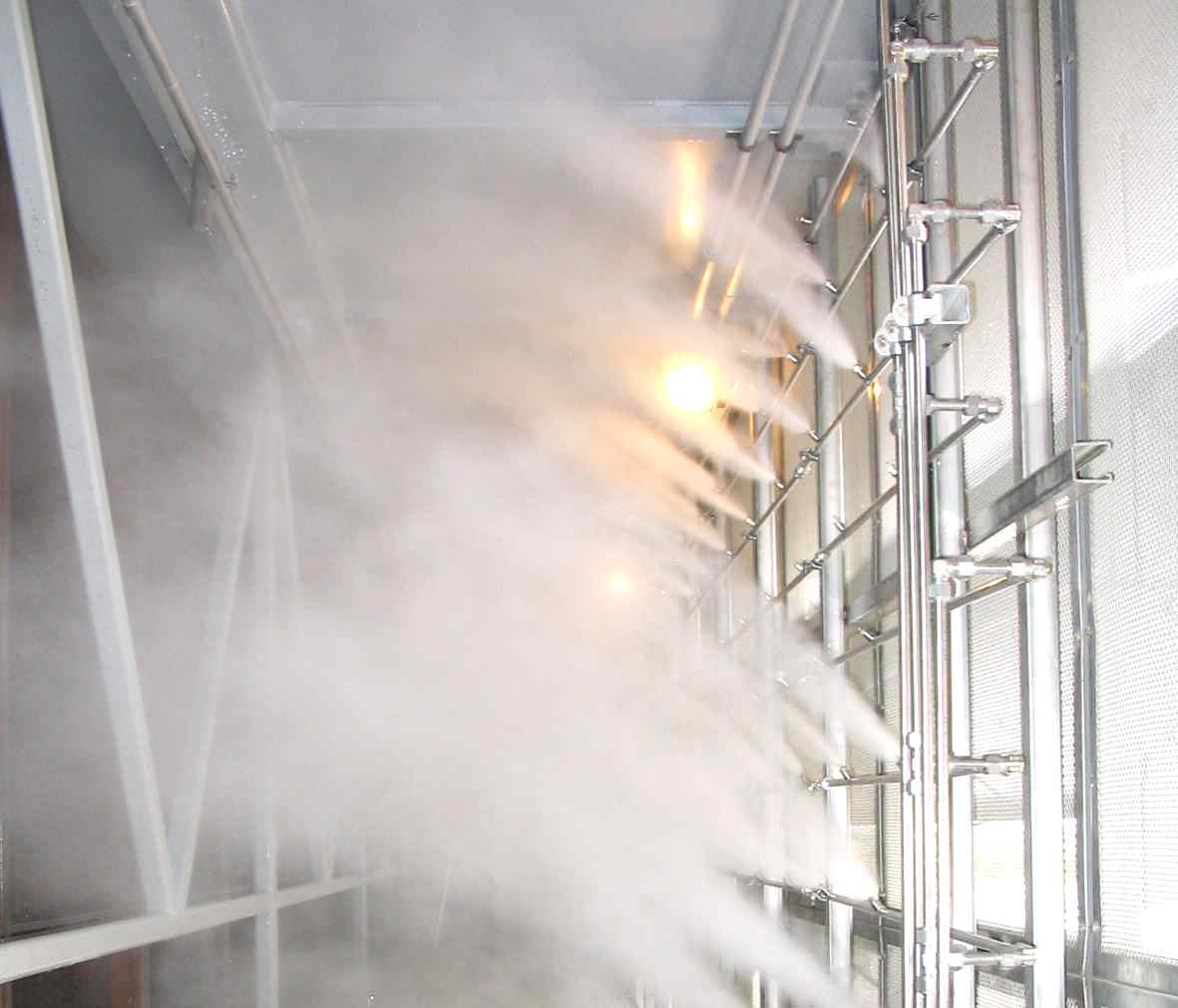
High-pressure fog nozzles atomize water into billions of ultra-fine droplets. The small droplet size from a MeeFog nozzle results in higher evaporation and absorption rates. A MeeFog lab humidification system will typically pay for itself within one year through savings on operating and maintenance costs.
Benefits:
To find out more about how the lab humidifier system can work for you, contact a MeeFog sales engineer.
Click the different areas of the diagram below to learn more information about our system.
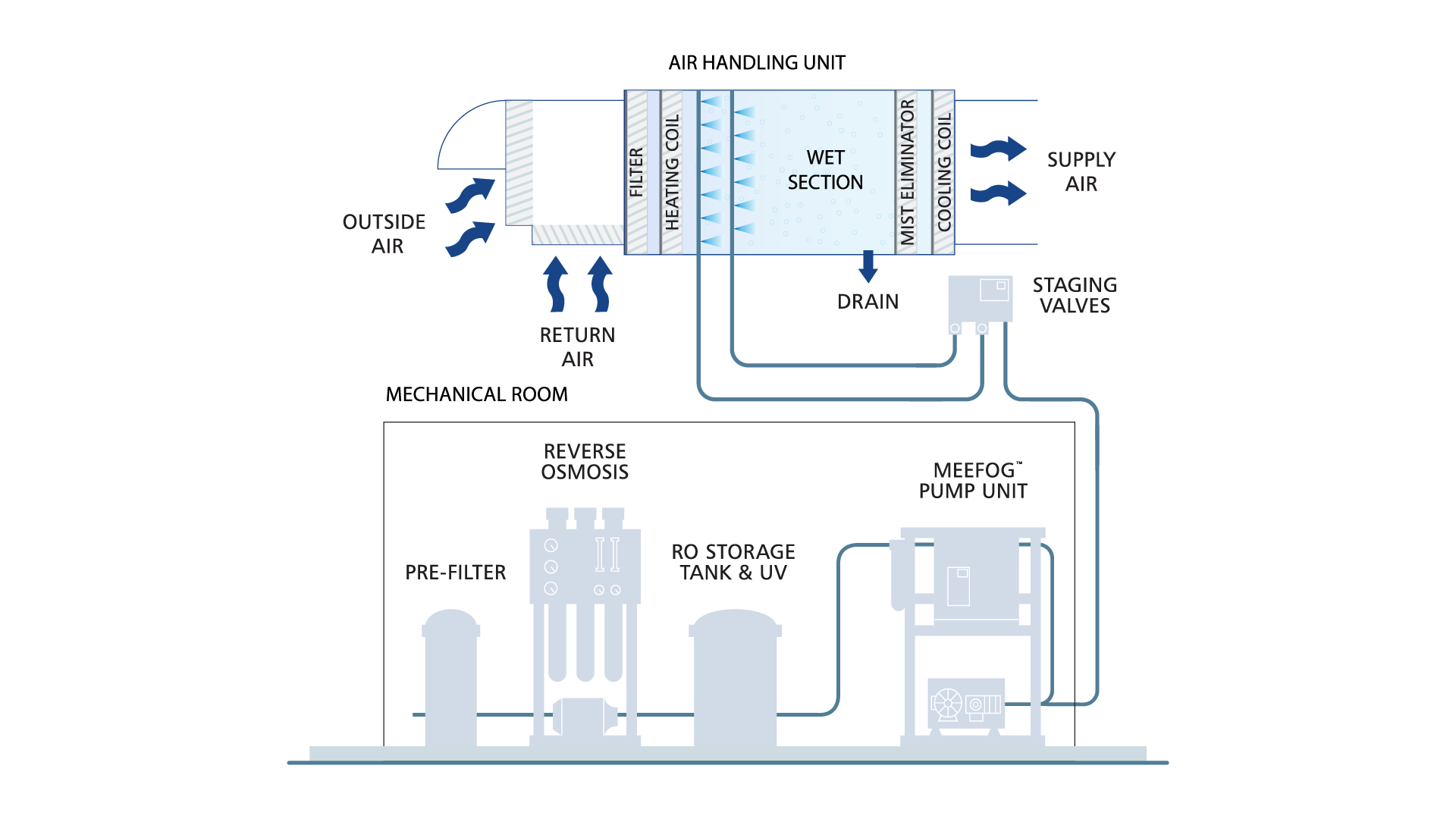
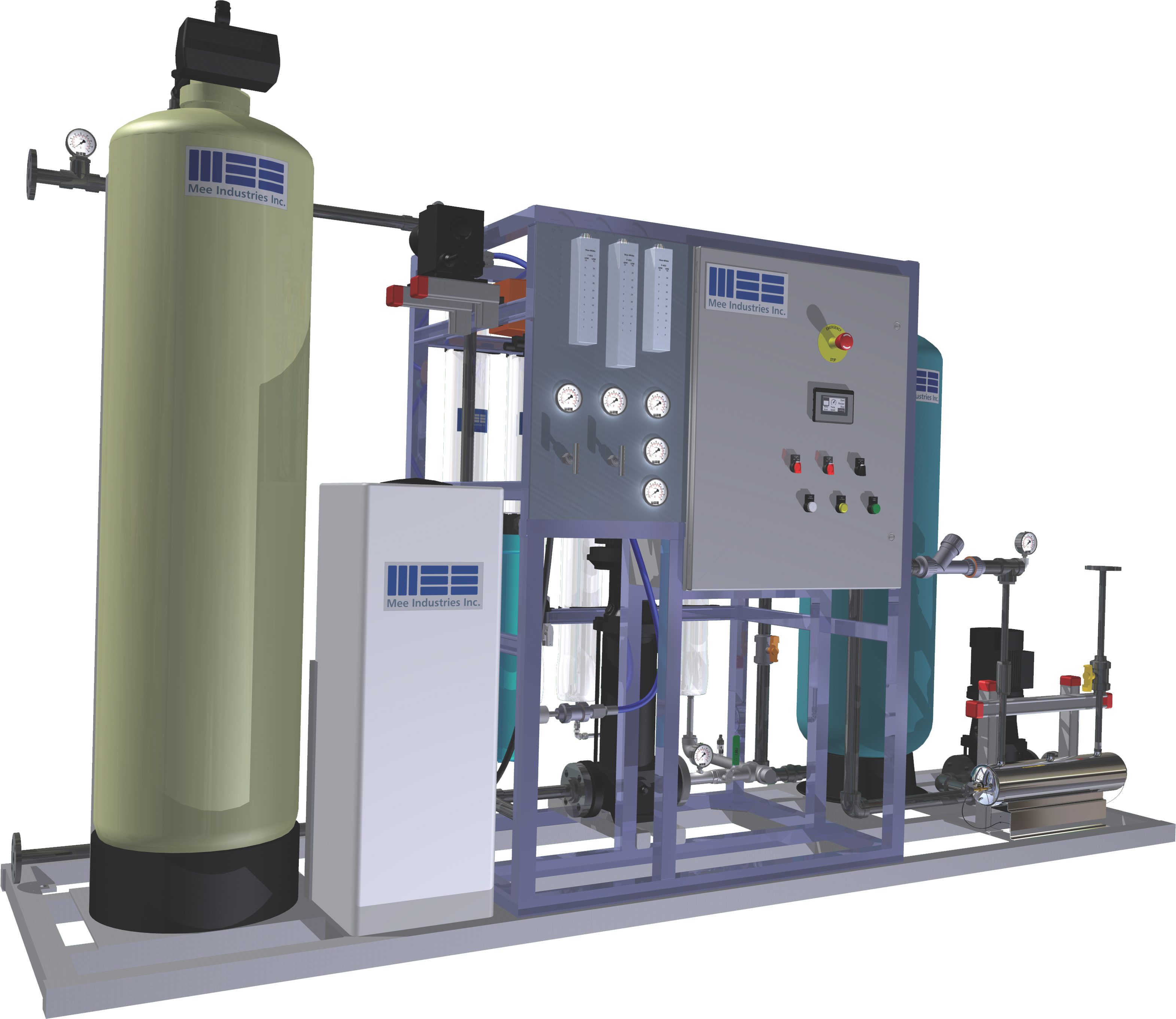
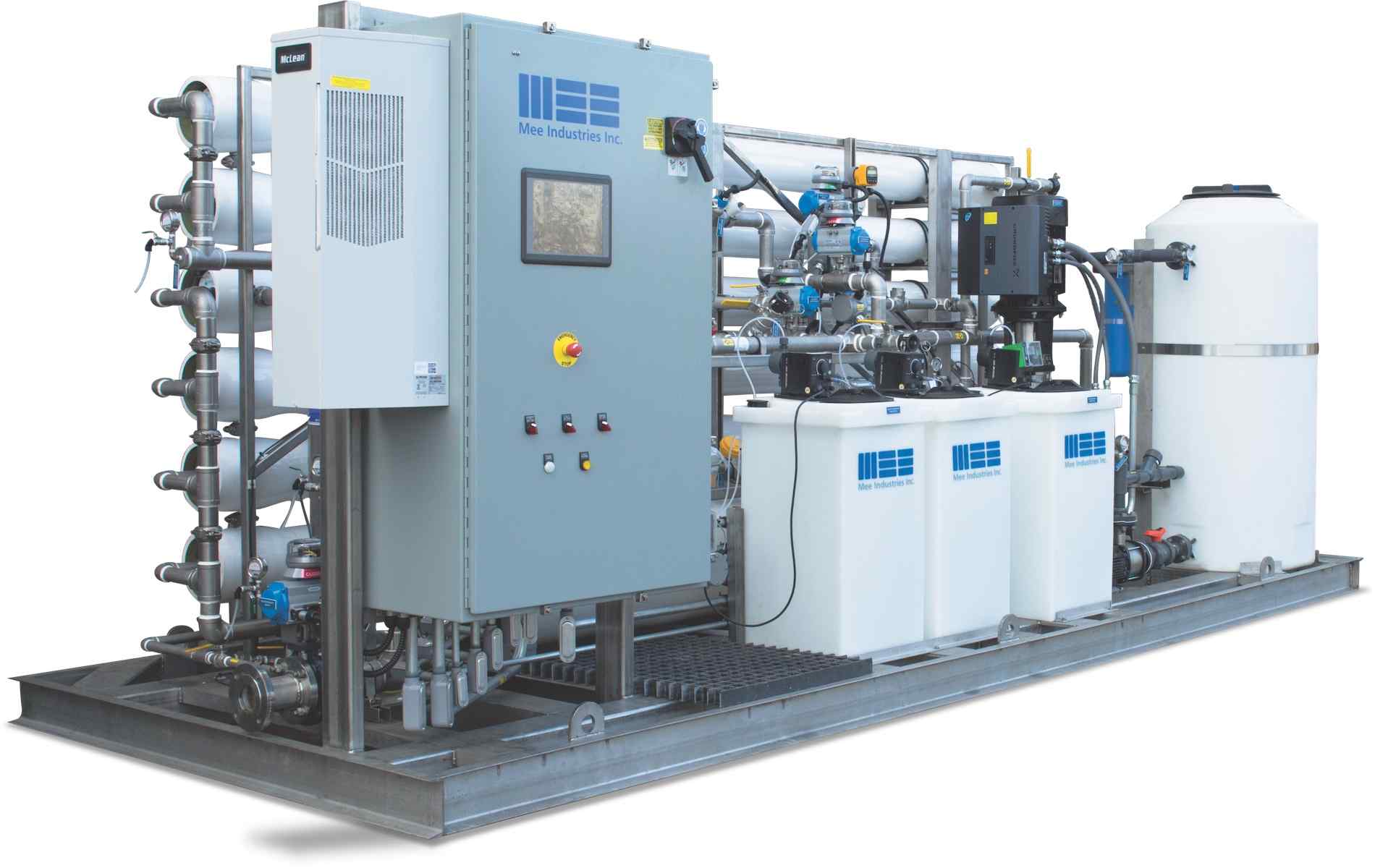
City water is treated using the Reverse Osmosis water treatment rack. This purifies the water, removing minerals, particulate, and microorganisms. Systems include automated membrane flushing, pre-treatment filtration, and UV Re-Circulation.
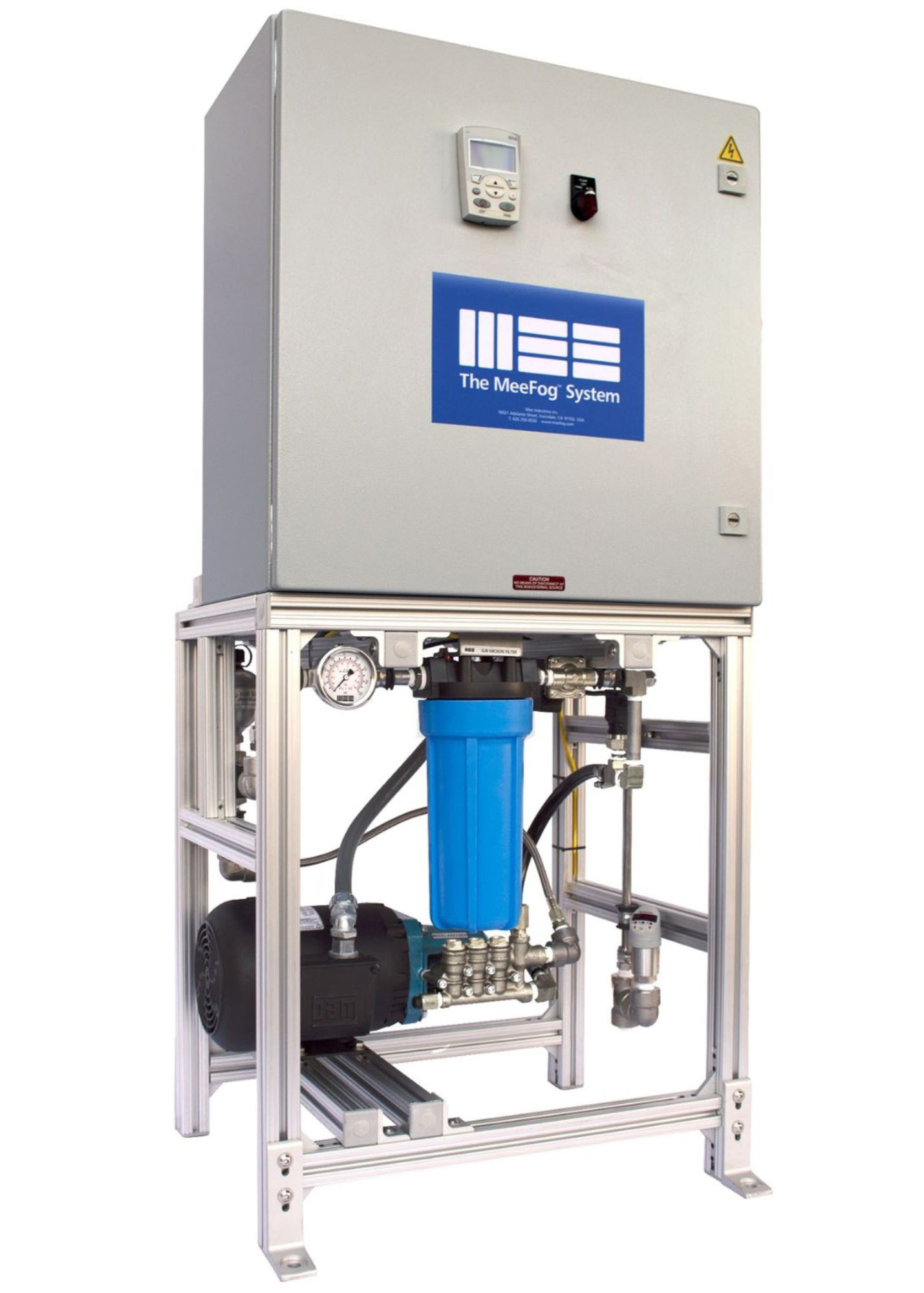
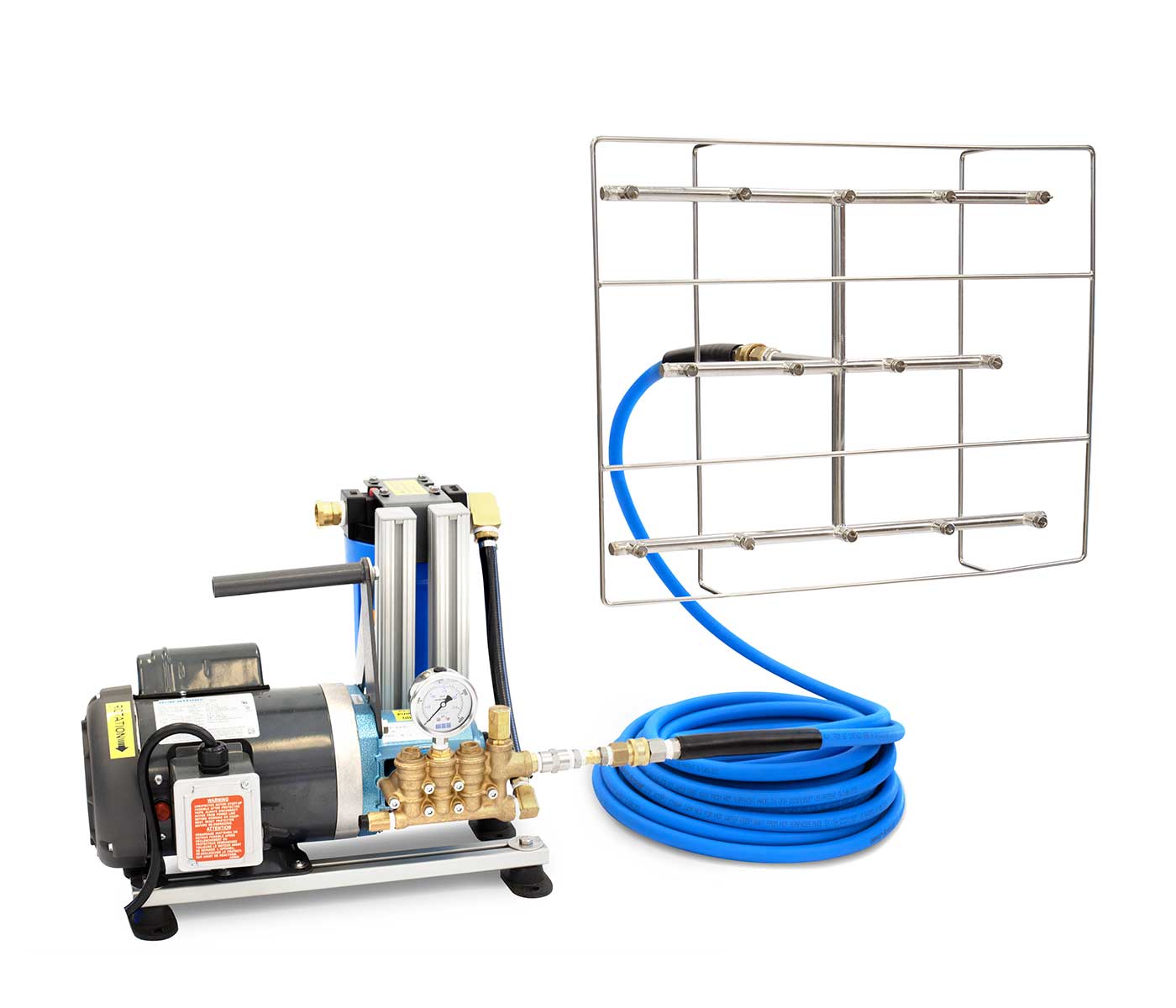
The high-pressure pump maintains 1000 psi water pressure in order to atomize the water into tiny droplets that can evaporate into the air stream. The pump rack has a VFD with panel-mounted controller that maintains pressure when staging valves open and close.
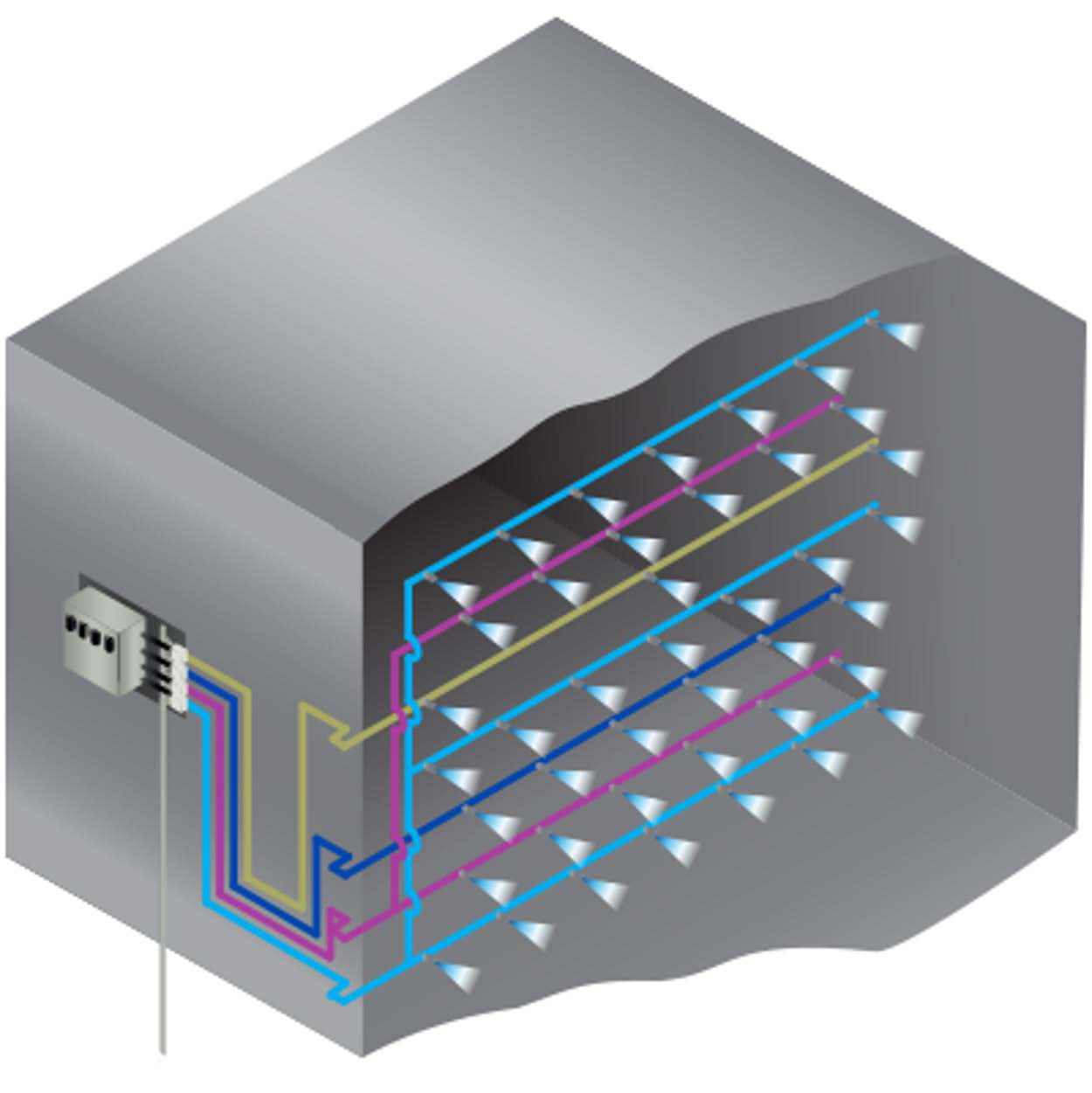
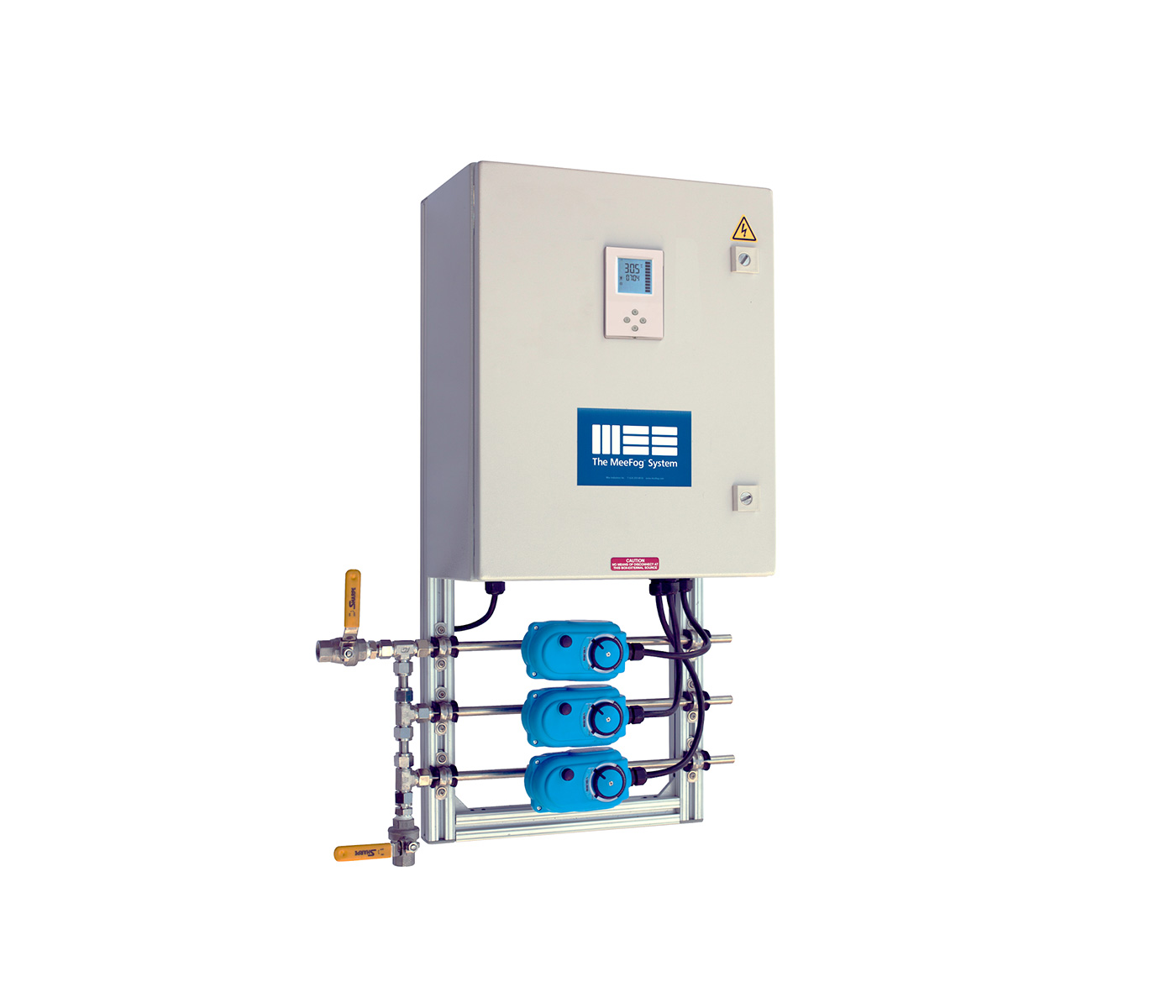
The valve panel allows precise control over how much humidification is injected into the air stream based on a signal from the BMS. It is possible to control the humidification level in the space to plus or minus 1% RH.
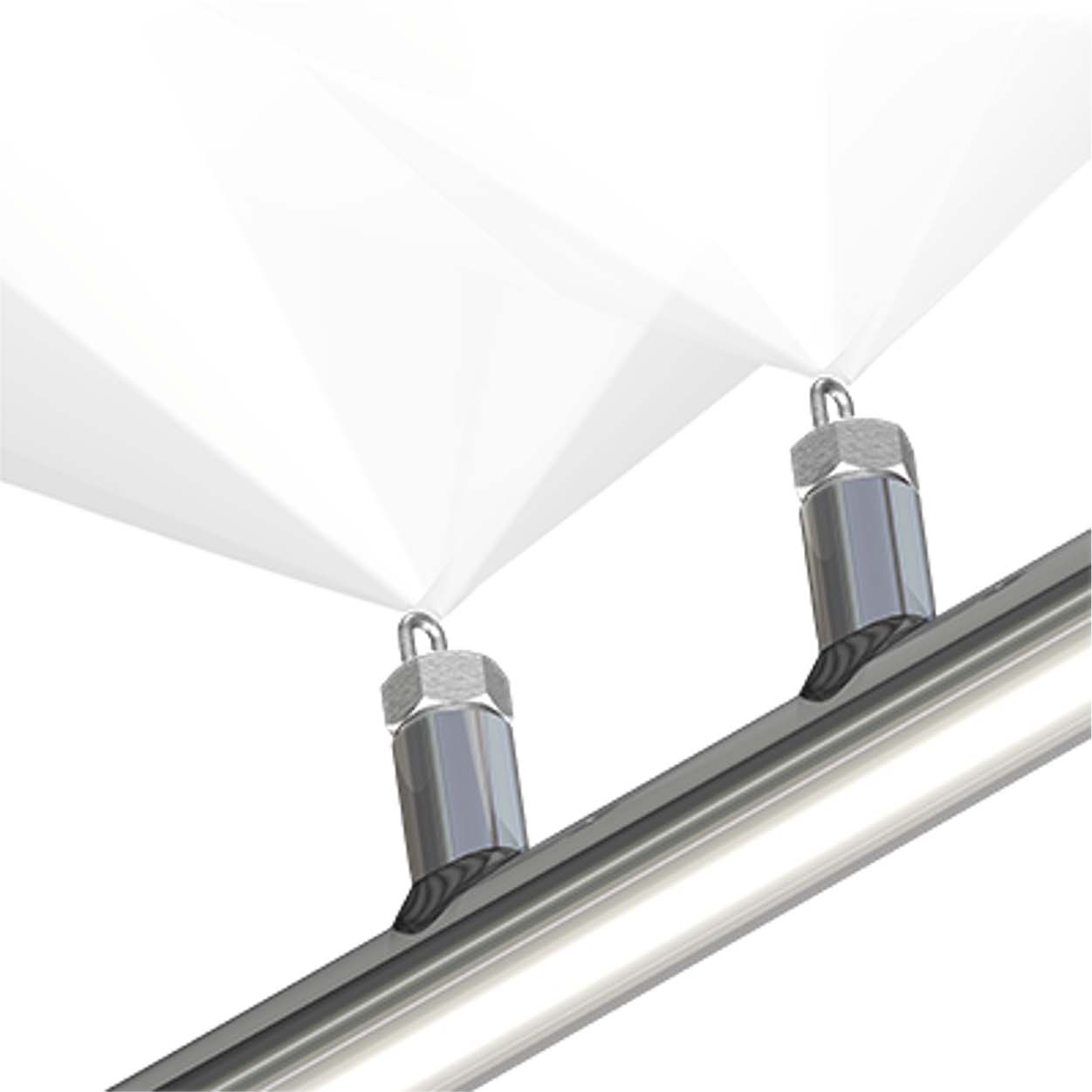
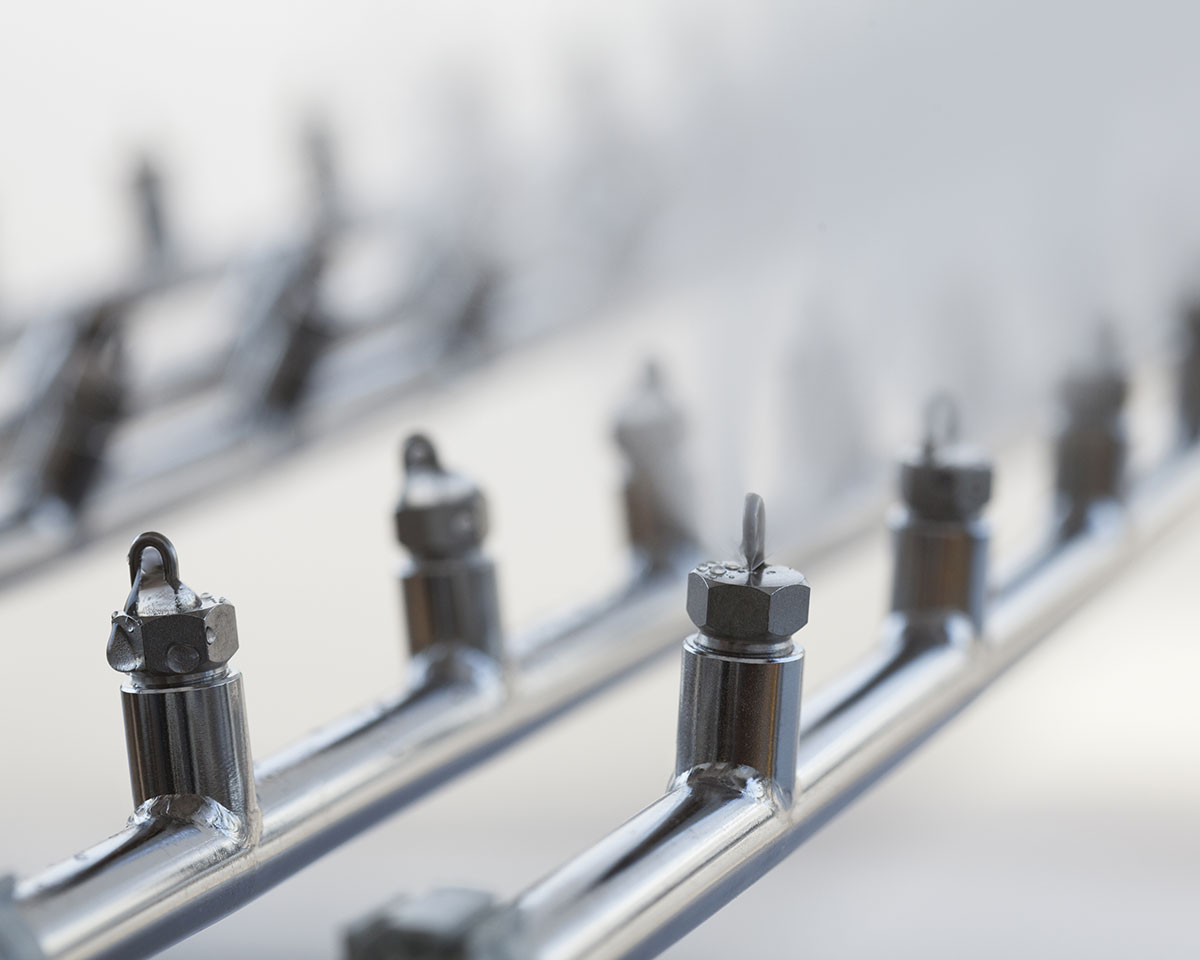
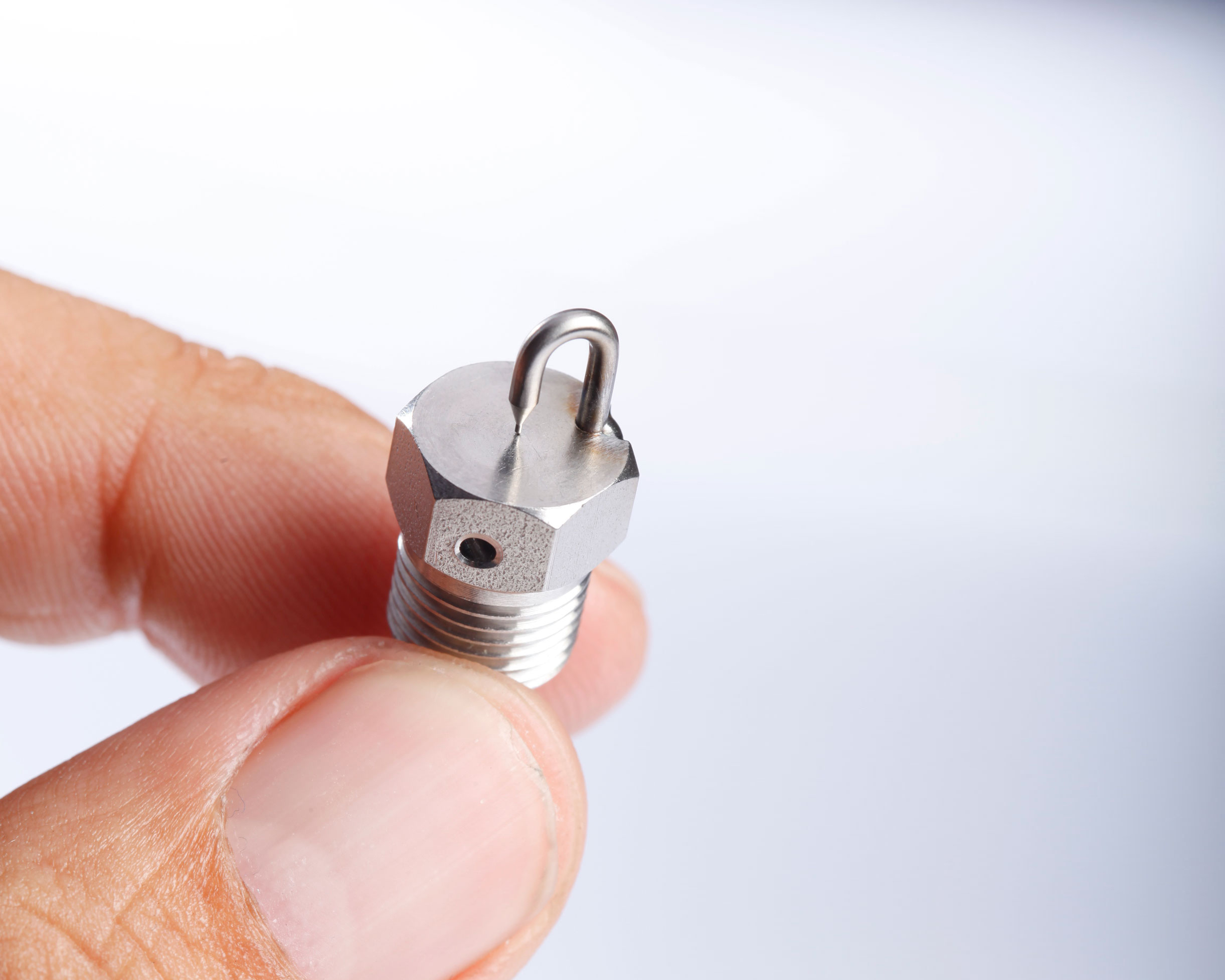
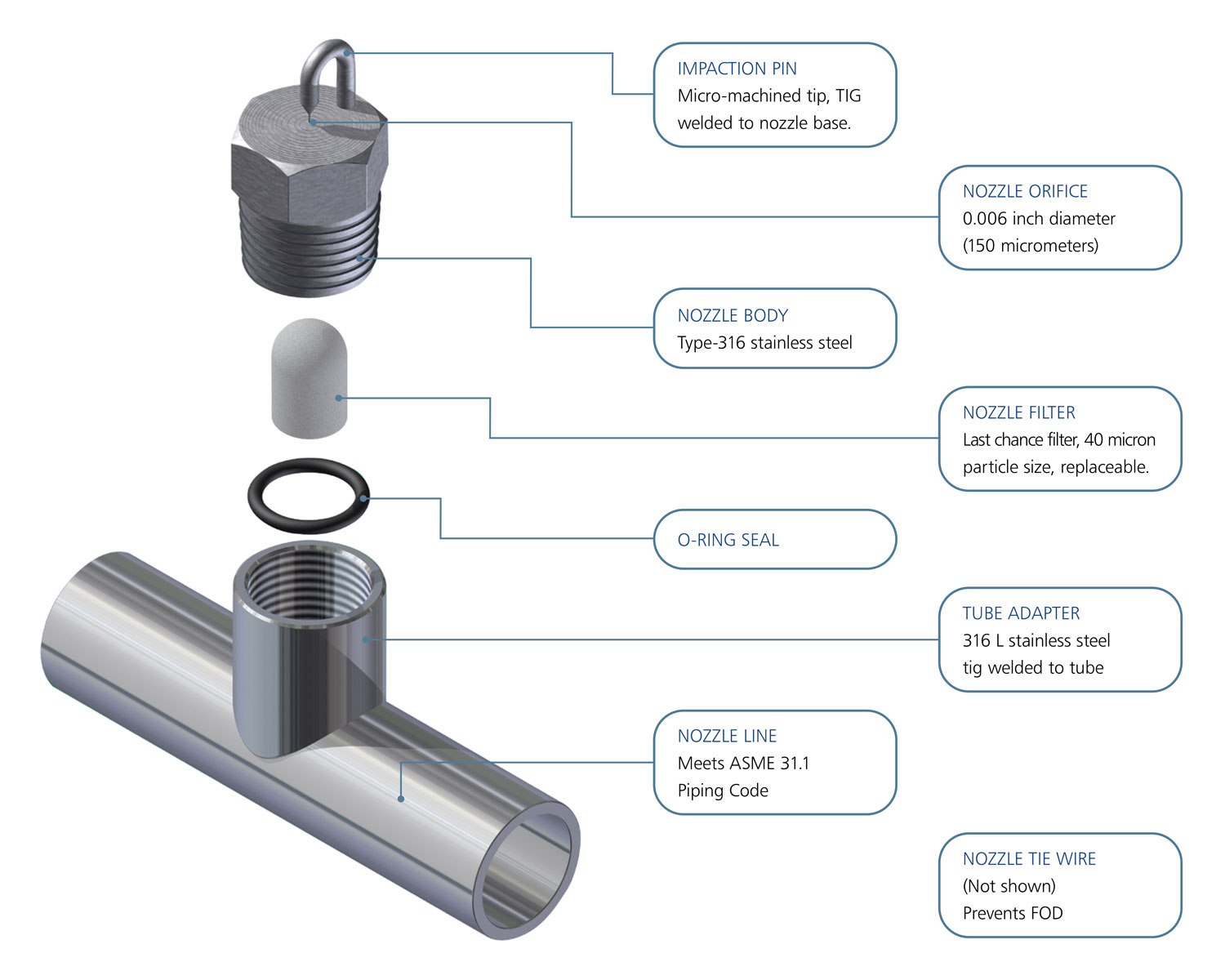
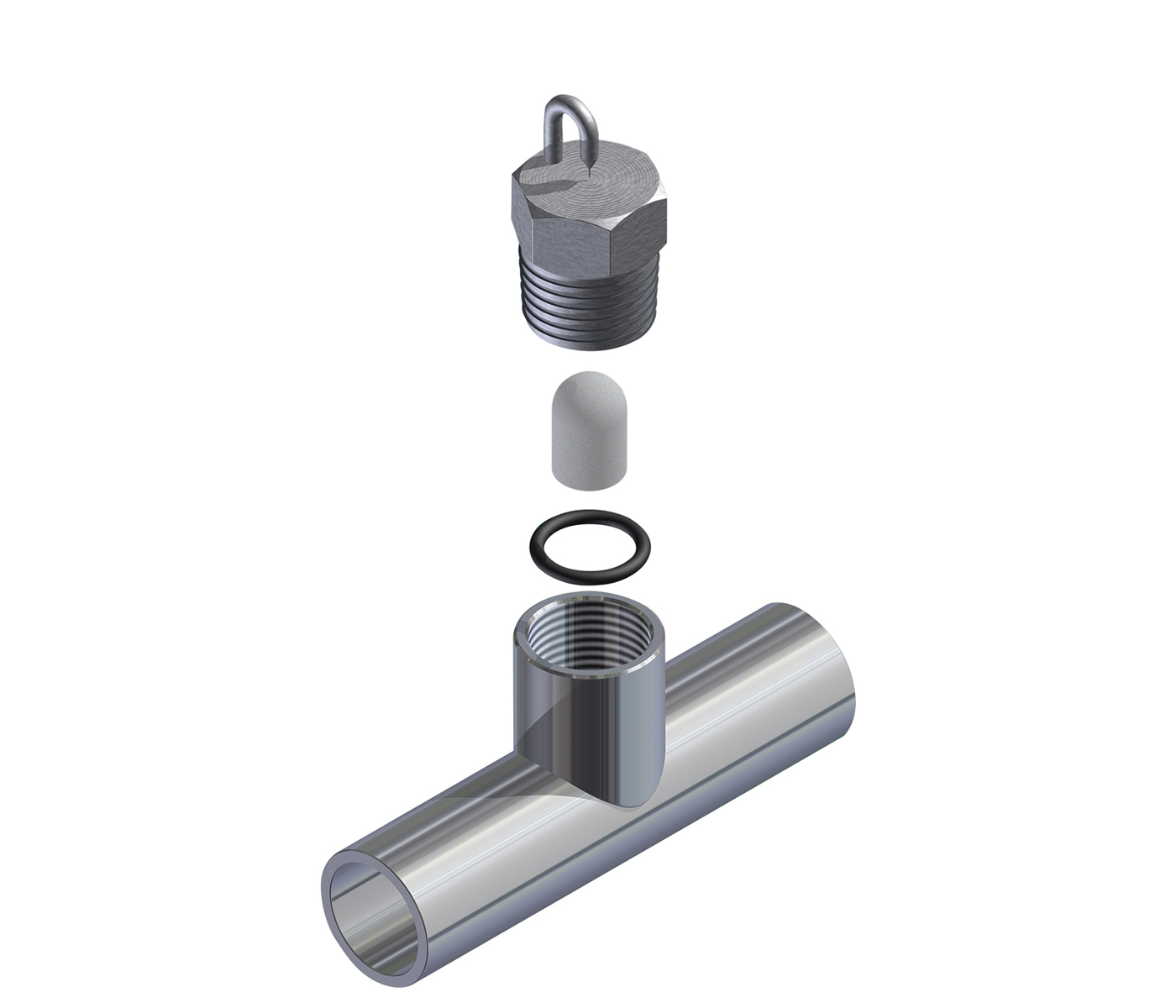
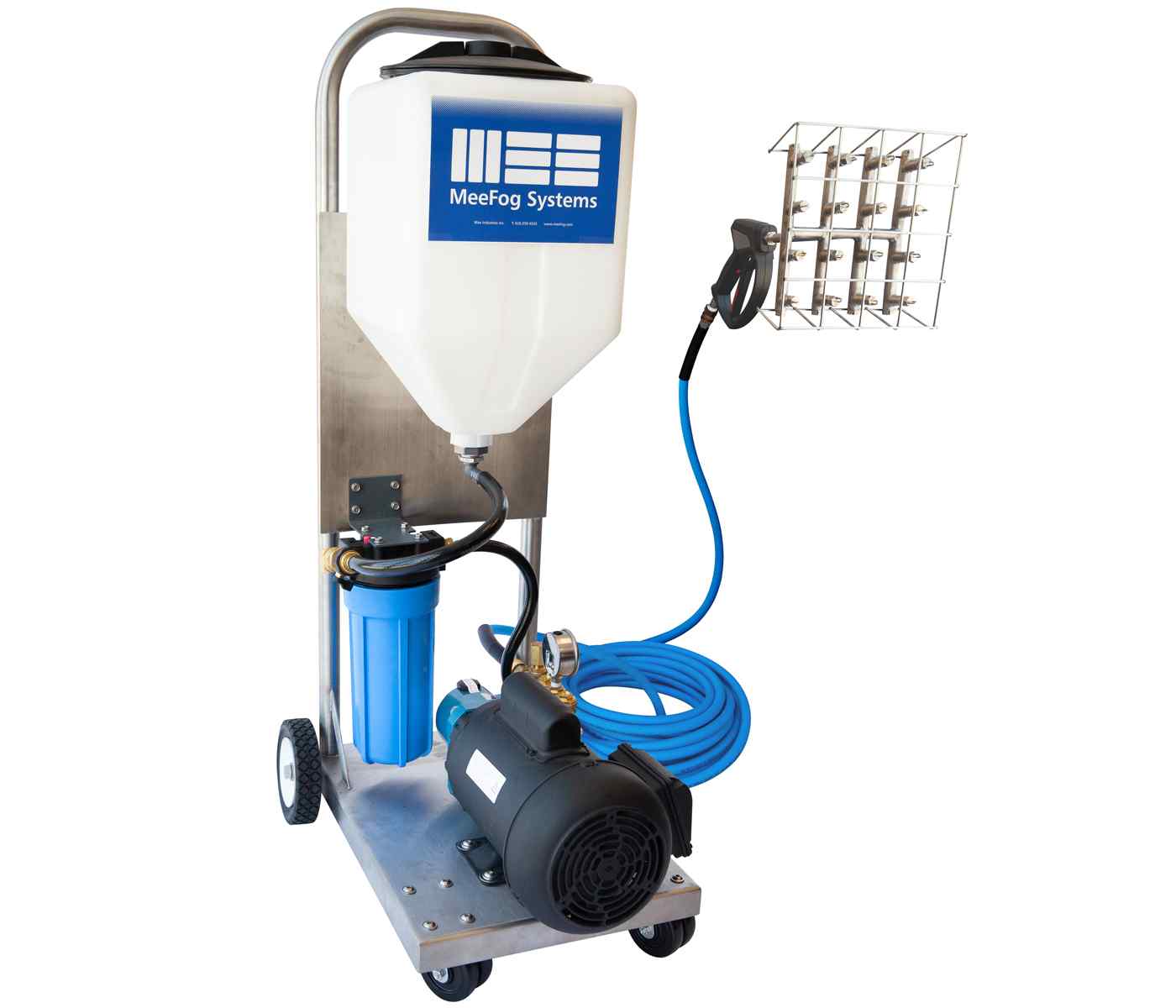
Fog nozzles are mounted on stainless steel tubing inside the air handler. These nozzles produce droplets in the 10-micron range. These precision nozzles are manufactured and tested in Mee Industries' own facility.
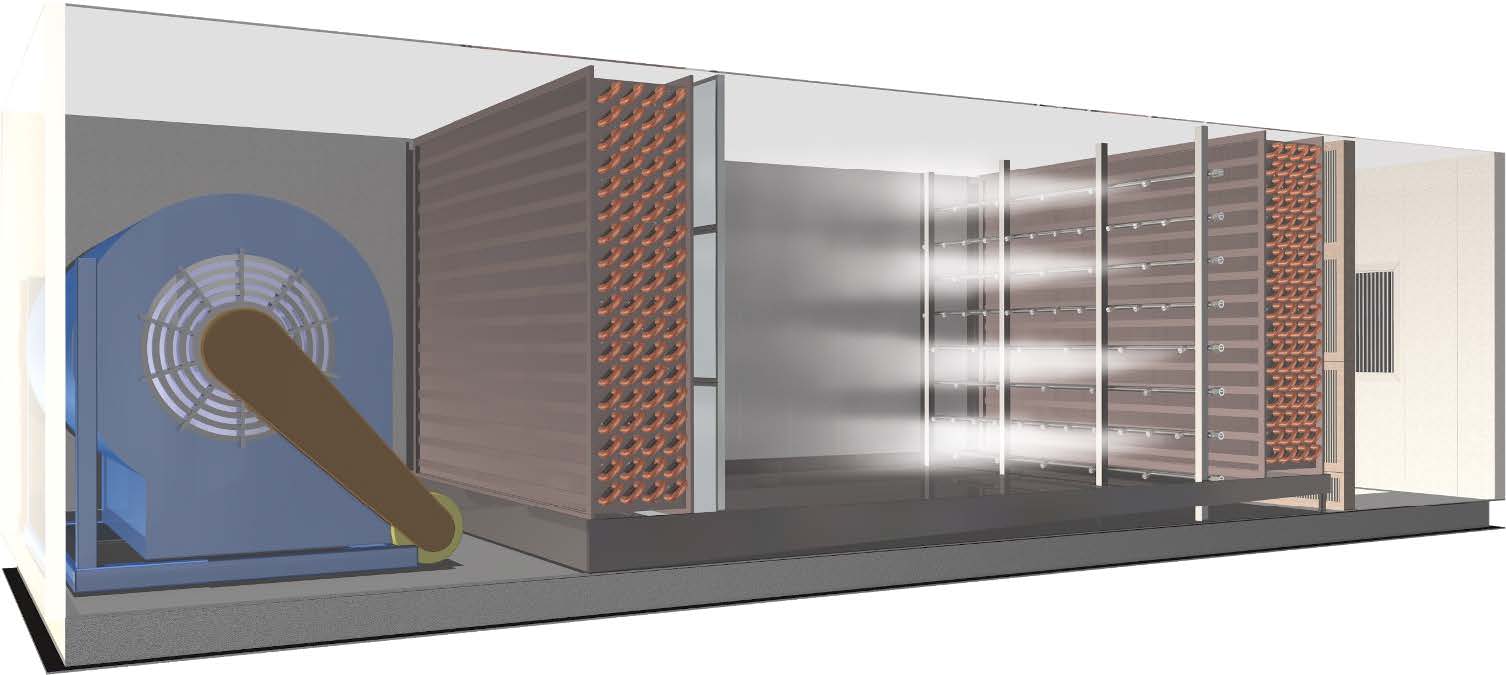
The mist eliminator removes water droplets larger than 5 microns. The filter pads can come off their stainless steel frames and can be washed or replaced easily.
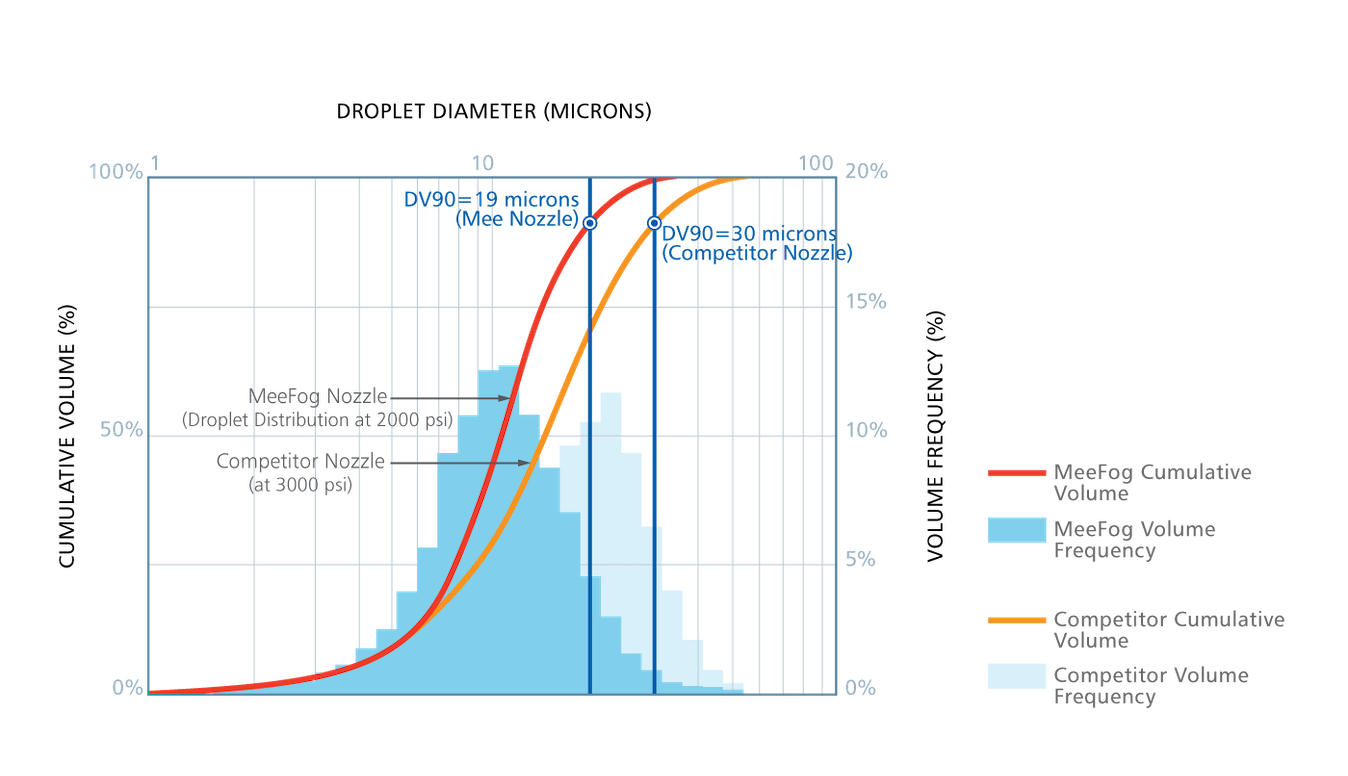
At an operating pressure of 2000 psi, the resulting average droplet size is roughly one-tenth the diameter of a single strand of human hair.
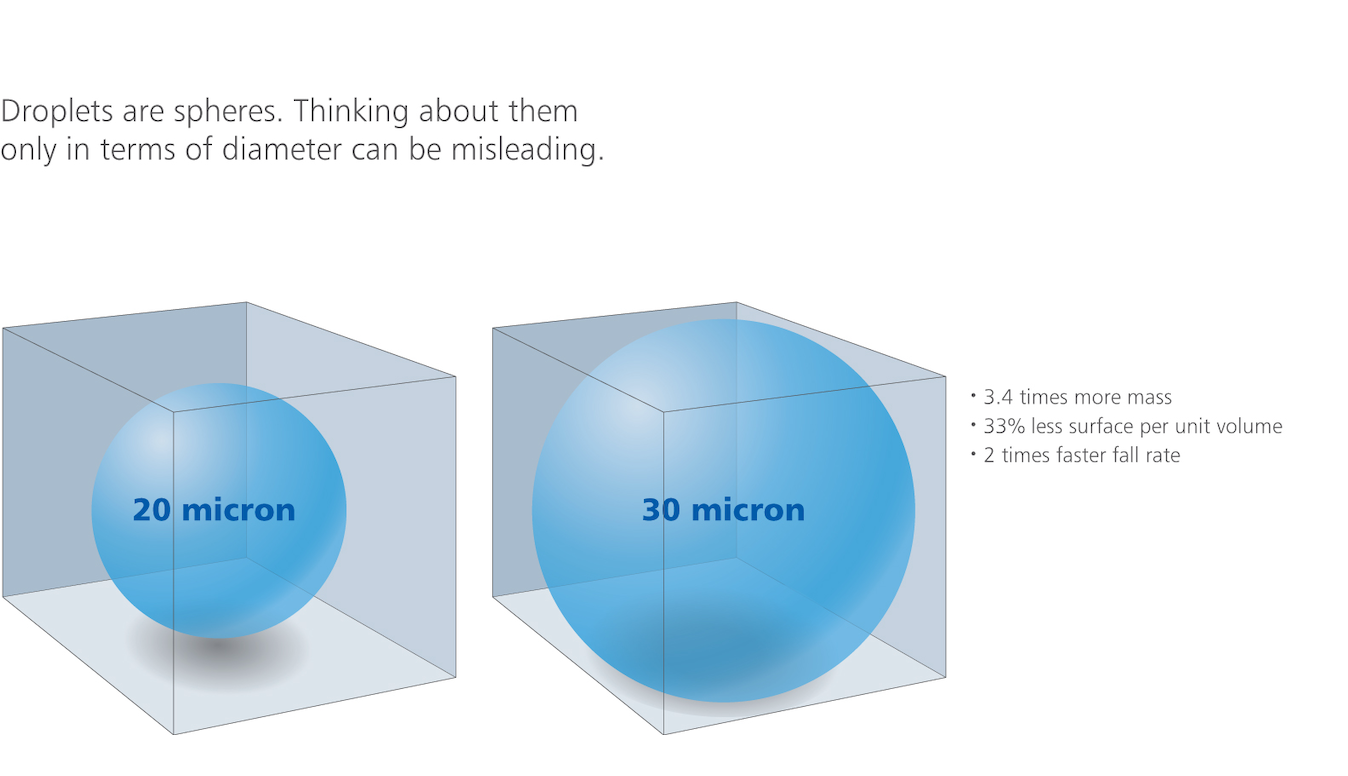
Small droplets have a larger surface-to-volume ratio compared to larger droplets. This allows them to evaporate much more rapidly than larger droplets.
We’ll gladly supply a detailed payback analysis report for your Hospital or Medical Center, including:
Labs often operate with 100% outside air, creating a large humidification demand for accurate results and safe handling of sensitive materials. Without proper humidity control, labs face issues such as electrostatic discharge (ESD), compromised experiments, and poor indoor air quality.
MeeFog lab humidification systems offer precise, energy-efficient humidification while lowering HVAC energy consumption, making them perfect for such environments. Proper humidification, often within the 40–60% range, is critical for maintaining research integrity and lab safety.
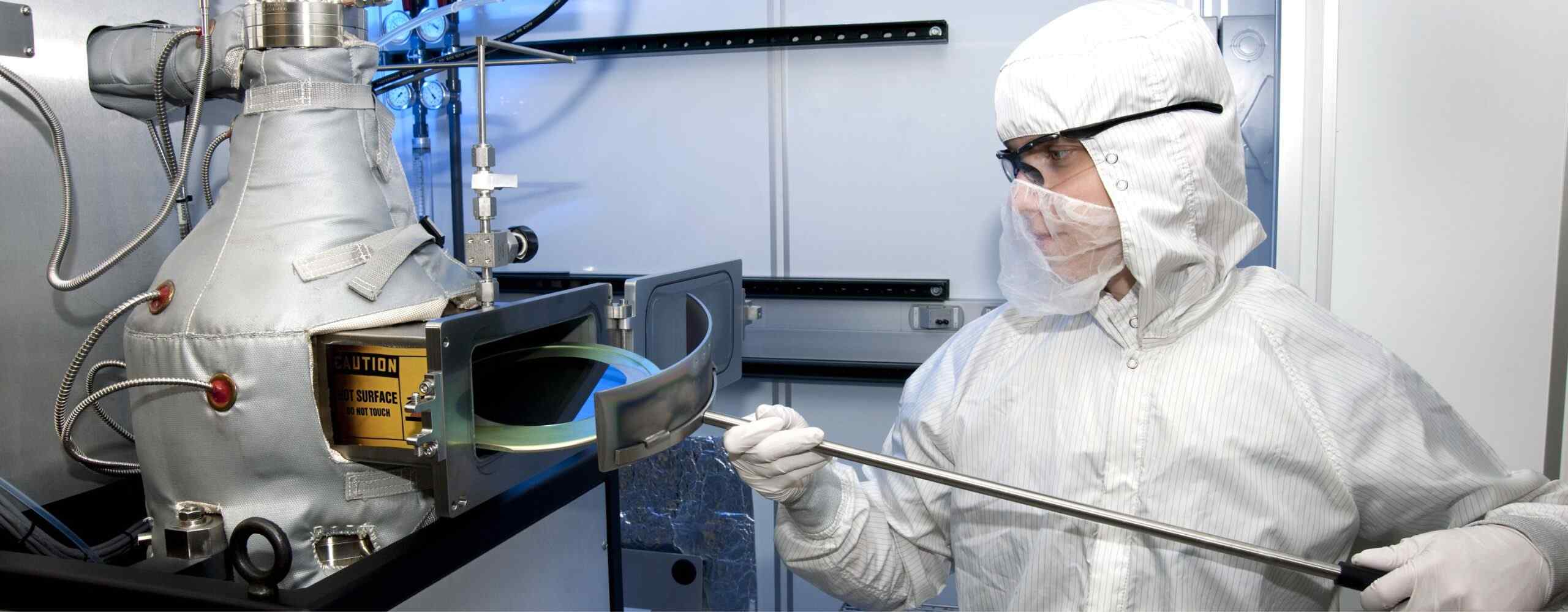
Medical device facilities and other ESD-sensitive environments require stable humidity to prevent static discharge and protect sensitive equipment. MeeFog lab humidifiers use high-pressure fogging to maintain optimal humidity levels. This is critical for regulatory compliance, production consistency, and safe operation of sensitive electronics in your labs and manufacturing facilities.
The 170,000 sq. ft. NCAR Supercomputing Center in Wyoming uses MeeFog to protect its IBM Yellowstone supercomputer from ESD. The dry Wyoming climate is ideal for free cooling, but it creates a risk of dangerously low humidity.
By installing the MeeFog lab humidification system, NCAR delivers fog directly into the AHUs and supply air, maintaining safe humidity levels while saving energy. The system operates through two FM-200-B271P ceramic plunger pumps at 1000 psi, integrated with the Johnson Metasys controls for precise automation.
MeeFog avoids the high energy costs of steam by using a small horsepower pump instead of boilers. The lab humidifier system consumes up to 90% less energy than steam humidifiers, while also providing adiabatic cooling that reduces chiller use. For labs running 24/7 with high ventilation loads, the operational savings are substantial, often delivering ROI in 1–3 years.
Yes, MeeFog lab humidifier systems can be fully integrated with Johnson Controls, Siemens, Honeywell, and other BAS platforms. At NCAR, it’s connected to Johnson Metasys controls to regulate both temperature and humidity in real time.
By reducing reliance on steam and minimizing chiller loads, MeeFog lab humidification systems support sustainable designs and contribute to LEED certifications. NCAR selected MeeFog as part of its “right-sized” construction strategy, providing reliable humidification for 20–30 years while cutting energy and operational costs.
MeeFog lab humidification systems use advanced high-pressure pumps and fine nozzles to create ultra-fine droplets that evaporate. This design provides accurate humidity control with rapid response to changes in outdoor air temperature or ventilation rates.
Each system can modulate output to maintain consistent levels within tight tolerances, keeping humidity in the ideal 40–60% range for sensitive lab environments.
Our lab humidifier systems are designed for low maintenance. The pumps operate with clean, filtered water, and stainless-steel components resist corrosion.
Routine visual checks, filter changes, and periodic nozzle inspections are typically all that is needed. The modular design also means easy servicing without system downtime, which is a plus for facilities operating around the clock.
Yes, you can install our lab humidification systems in new buildings or retrofit them into existing HVAC systems. The fog manifolds mount directly inside air handling units or ducts, requiring minimal space. It’s highly flexible and a suitable upgrade for labs looking to improve humidity control without major mechanical changes.
Our lab humidifiers use a fraction of the energy required by steam systems. The adiabatic process adds humidity while providing evaporative cooling, reducing chiller load. For facilities focused on energy reduction, this dual effect supports sustainability objectives, lowers utility costs, and extends HVAC system life.
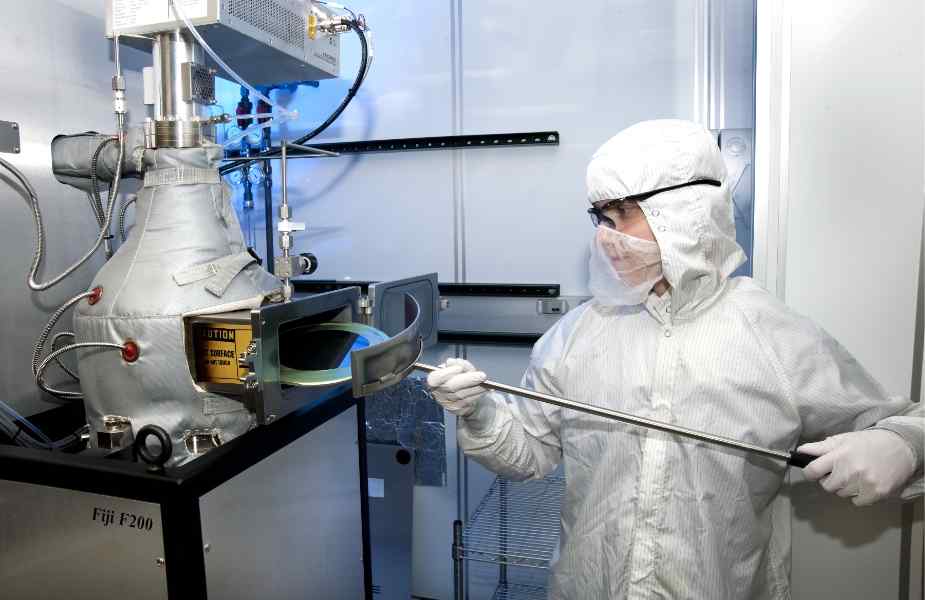
Army Research Laboratory Uses CHP and MeeFog Humidification to Cut Energy and O&M Costs
The Army Research Laboratory in Adelphi, Maryland, had been using a boiler to provide hot water as well as steam humidification to two clean rooms. It recently installed a combined heat and power system in its central utility plant, but the hot water generated was not hot enough to provide the needed humidification.
A MeeFog lab humidification system was installed to provide humidification to both clean rooms, at a much lower cost and with less maintenance than the boiler.