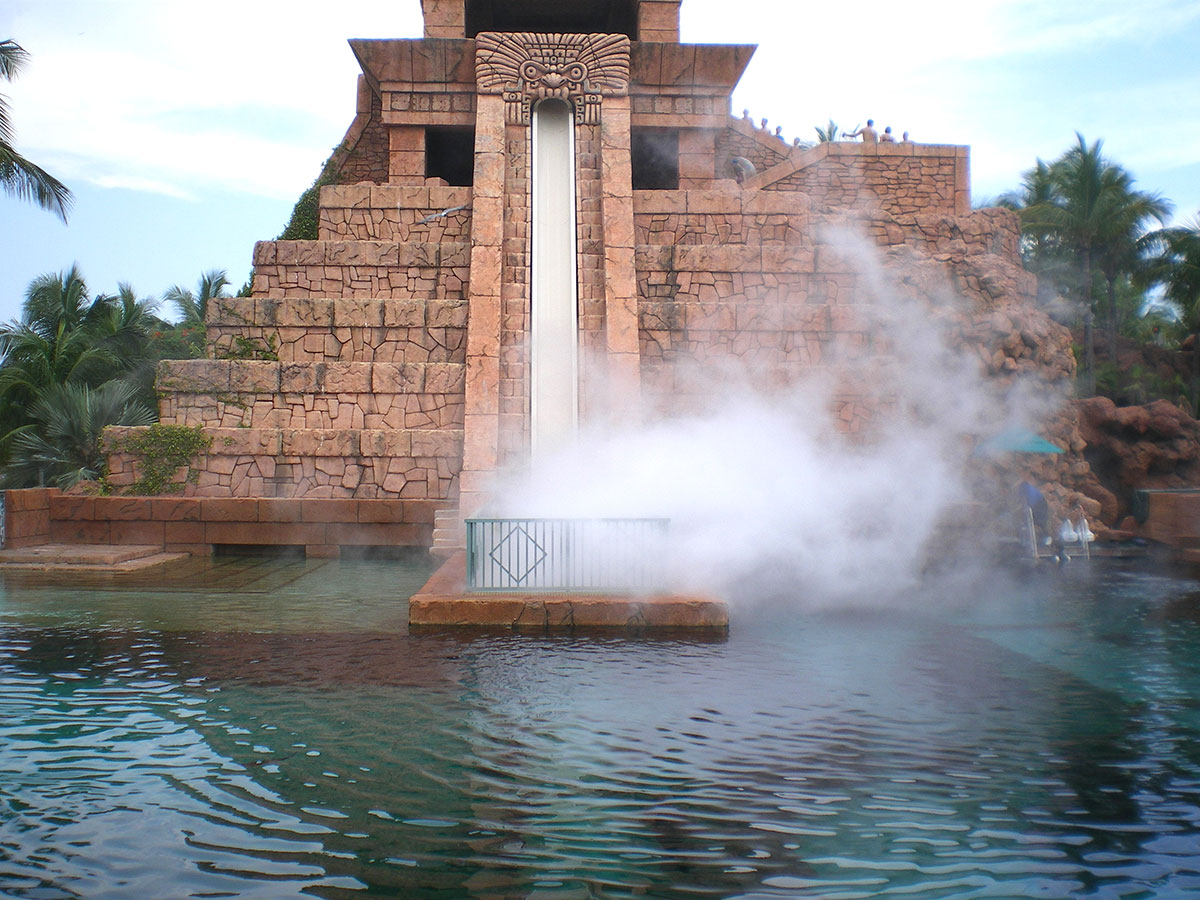
Creating Mystical Fog Effects for Theme Parks and Themed Attractions
Learn how attraction designers and operators can use high-pressure water fog as a controllable atmospheric design to...
Existing Customers Call 626-359-4550 Or Visit Customer Care

Energy efficiency has become a priority across the fertilizer industry. That’s because natural gas alone can account for 70 – 90% of production costs for nitrogen-based fertilizer plants.
As energy costs continue to fluctuate and environmental regulations become more demanding, fertilizer manufacturers are looking for practical ways to improve production efficiency, particularly air compressor energy savings, while managing operating expenses.
For many facilities, air compression systems account for a substantial portion of total energy consumption. Even small improvements in compressor performance can have a meaningful impact on operating costs and production output.
This is particularly true during hot weather, when higher ambient temperatures can reduce equipment efficiency and increase energy demand. One technology that has helped fertilizer plants improve performance is MeeFog inlet air fogging.
By cooling incoming air before it reaches compressors and other air-handling equipment, MeeFog systems support more efficient operation during warm conditions. It’s a practical fogging system for cooling inlet air in fertilizer plants.
Air compression plays a central role in ammonia and urea production. These processes require large volumes of compressed air, making ammonia compressor efficiency an important factor in overall plant performance.
The temperature of incoming air directly affects how hard a compressor must work. Cooler air is denser than warm air, allowing compressors to process more air while using less energy for the same workload. This boosts ammonia compressor efficiency, which ultimately improves overall plant performance.
MeeFog inlet air fogging systems introduce ultra-fine water droplets into the incoming air stream. As the droplets evaporate, they absorb heat from the surrounding air. This natural evaporative cooling process lowers inlet air temperature before the air enters the compressor.
As cooled air becomes denser, compressors can operate more efficiently. This can increase throughput and improve performance during hot weather conditions when ammonia compressor efficiency would otherwise decline.
Unlike conventional cooling methods that may require significant infrastructure or additional energy consumption, evaporative cooling systems use the natural cooling effect of water evaporation. This makes them a practical option for facilities looking for ways to improve energy performance without major operational changes.
Many fertilizer facilities experience seasonal variations in production performance. During summer months, rising temperatures can affect the efficiency of compressors, turbines, and other air-driven equipment.
As air temperatures increase, air density decreases. Lower-density air means equipment must work harder to process the same volume of air. This can lead to increased energy consumption and reduced production efficiency.
By lowering inlet air temperatures, MeeFog evaporative cooling technology helps address this challenge. Cooler and denser air supports more effective compressor operation, allowing plants to maintain stronger performance during warmer periods.
Lower inlet air temperatures help compressors operate more efficiently. By processing denser air, equipment may require less power for the same workload, helping reduce overall energy consumption throughout the production process.
MeeFog systems automatically respond to changing temperature and humidity conditions. This allows the system to adapt throughout the year without requiring constant operator adjustments or complex manual controls.
Routine maintenance requirements are straightforward. Typical upkeep includes seasonal water draining, filter maintenance, and standard system inspections, helping facilities manage operating requirements with minimal disruption.
Improved equipment efficiency can contribute to lower overall energy use. For fertilizer producers focused on sustainability initiatives, this supports efforts to reduce environmental impact while maintaining production performance.
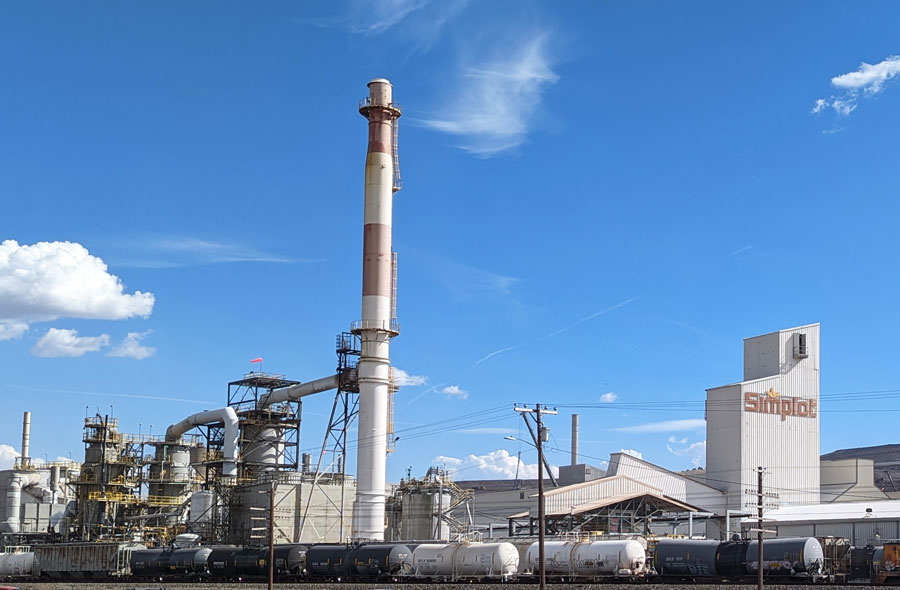
In 2019, J.R. Simplot Company, a leader in agriculture and food processing, set the ambitious goal of reducing the energy intensity of its products by 25%. Achieving this objective required a comprehensive review of operations and a commitment to improving efficiency across multiple systems.
The plant produces nitric acid, ammonium nitrate, and calcium ammonium nitrate fertilizers, which require 80% of the plant’s electrical load. To boost its ammonia compressor efficiency, the company implemented several improvements throughout the facility, including:
These efforts led to the plant earning Energy Star certification from the U.S. Environmental Protection Agency (EPA), recognizing the plant as one of the most energy-efficient nitrogenous fertilizer manufacturing facilities in the country.
MeeFog’s evaporative cooling technology was central to their energy-saving upgrades. By using a fogging system for cooling the air entering the compressors, the plant achieved significant increases in efficiency and production output, even during the hottest months of the year.
With MeeFog technology, the plant’s engineers reported production increases of 5% to 10% depending on environmental conditions. This translated into meeting higher demand during peak summer months while supporting their energy reduction goals.
The MeeFog system at the J.R. Simplot fertilizer plant in Helm, CA, has been operating since 2007. The initial costs were recouped within the first couple of summers due to a significant increase in ammonia compressor efficiency. With minimal maintenance, this system has more than paid for itself many times over.
Using a fogging system for cooling inlet air is a cost-effective and relatively simple solution to improve the efficiency of air-driven systems in a fertilizer plant, especially in regions with high temperatures. By reducing the intake air temperature, it improves the performance of turbines, compressors, and other air-handling equipment.
As the fertilizer industry strives to minimize its environmental impact while addressing the increasing global demand for fertilizer products, Mee Industries is proud to support companies like J.R. Simplot in achieving energy efficiency, boosting production, and industry recognition.
Could your plant benefit from higher energy efficiency and performance optimization? Contact us today to learn how MeeFog can transform your processes and help you achieve your sustainability goals.
What Is Inlet Air Fogging?
Inlet air fogging is an evaporative cooling process that introduces ultra-fine water droplets into incoming air. As the droplets evaporate, they cool the air before it reaches compressors or turbines.
How Does MeeFog Improve Compressor Performance?
MeeFog systems cool the air entering the compressor. Cooler air is denser than warm air, allowing the compressor to process more air while operating more efficiently.
Is Inlet Air Fogging Suitable for Fertilizer Plants?
Yes, fertilizer facilities that rely heavily on compressors can benefit from inlet air cooling, particularly in regions that experience high ambient temperatures during the year.
Can Inlet Air Fogging Support Sustainability Initiatives?
Because evaporative cooling systems can help improve equipment efficiency and reduce energy consumption, they can support broader sustainability and energy-management efforts within fertilizer production facilities.