Creating Mystical Fog Effects for Theme Parks and Themed Attractions
Learn how attraction designers and operators can use high-pressure water fog as a controllable atmospheric design to...
Existing Customers Call 626-359-4550 Or Visit Customer Care

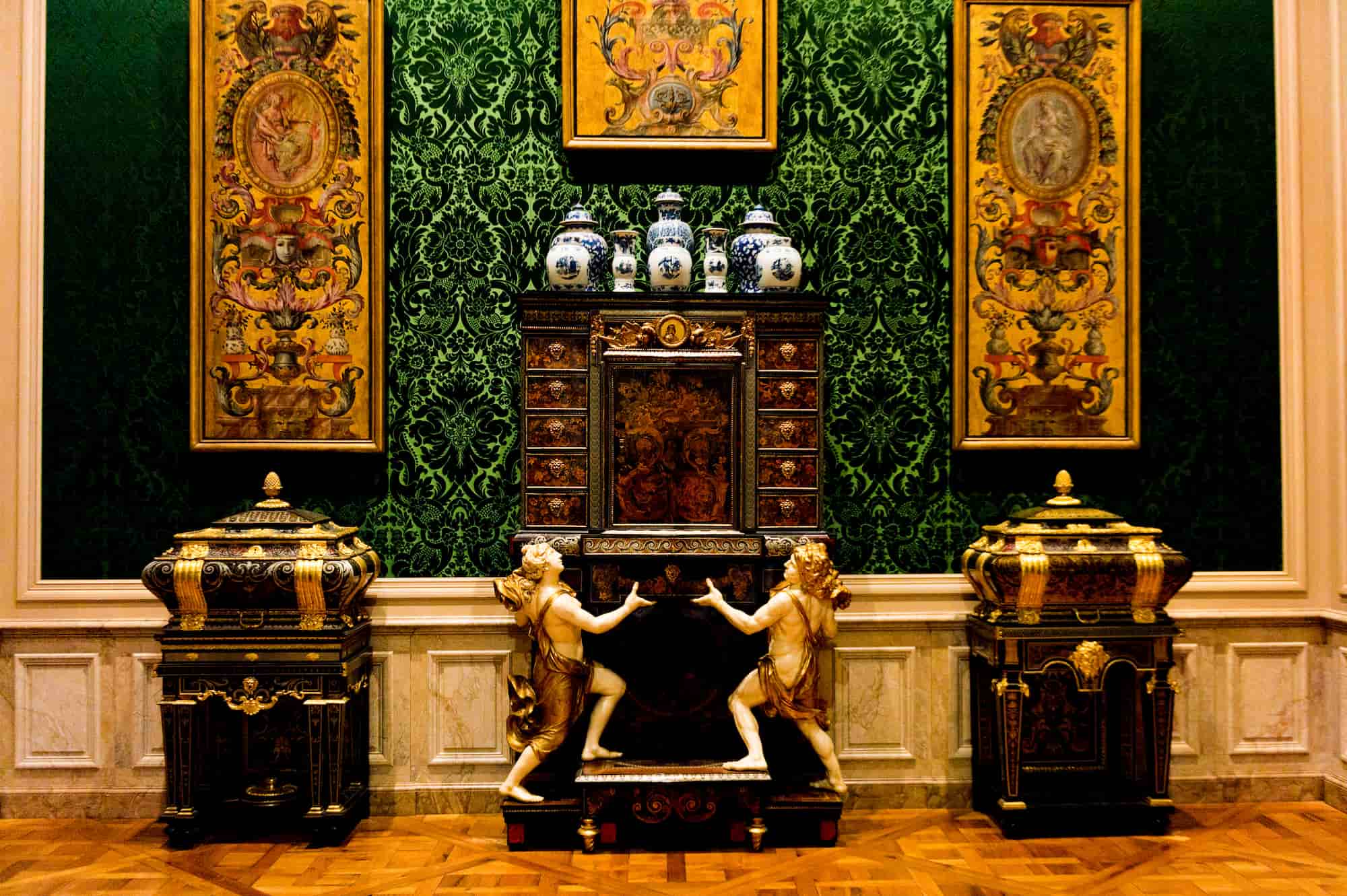
A museum campus presents unique HVAC challenges for facility managers due to the diversity of its collections. A single facility may contain paintings, drawings, books, sculptures, manuscripts, and photography. Fluctuating humidity can cause permanent damage through repeated expansion and contraction, and each material responds differently to humidity changes making it a complex and ongoing challenge for building operators and mechanical engineers. A recent project at a world-renowned California museum demonstrates how modern humidification technology can reduce operating costs and improve environmental control. This profile examines the mechanical strategies used in the upgrade and practical lessons for protecting sensitive indoor environments efficiently.
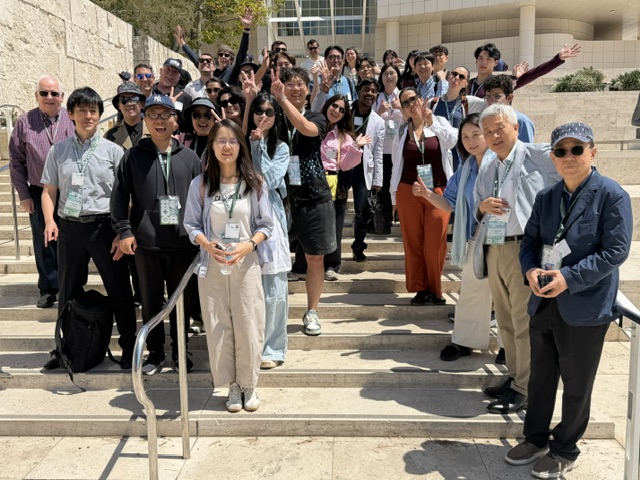
At this California museum, operators managed multiple mechanical rooms housing more than 50 air handling units (AHUs) and their associated humidification equipment. Scores of AHUs were needed to humidify and cool different spaces around the campus, each one having its own unique temperature and humidity specifications.
The museum houses pre-20th-century European paintings, illuminated manuscripts, decorative arts, and photographs from around the world. The facility’s original humidification system used gas-fired steam boilers to maintain humidity conditions. However, these boilers had reached end-of-life, creating several operational challenges for the engineering staff:
To address these issues, the museum replaced its expensive aging steam system with high-pressure MeeFog technology, resulting in more consistent humidity and lower expenses. Several phases were finished before others began, allowing operators to maintain strict climate control throughout the upgrade. Over 1,000 fogging nozzles have been installed, with more planned. The next phase will be a new hot water/chiller plant replacing the current chiller/boiler plant with an electric heat pump to supply hot and cold water, moving them toward their carbon neutral targets.
A general understanding of the mechanics of fog humidification systems can be valuable for mechanical engineers considering HVAC upgrades.
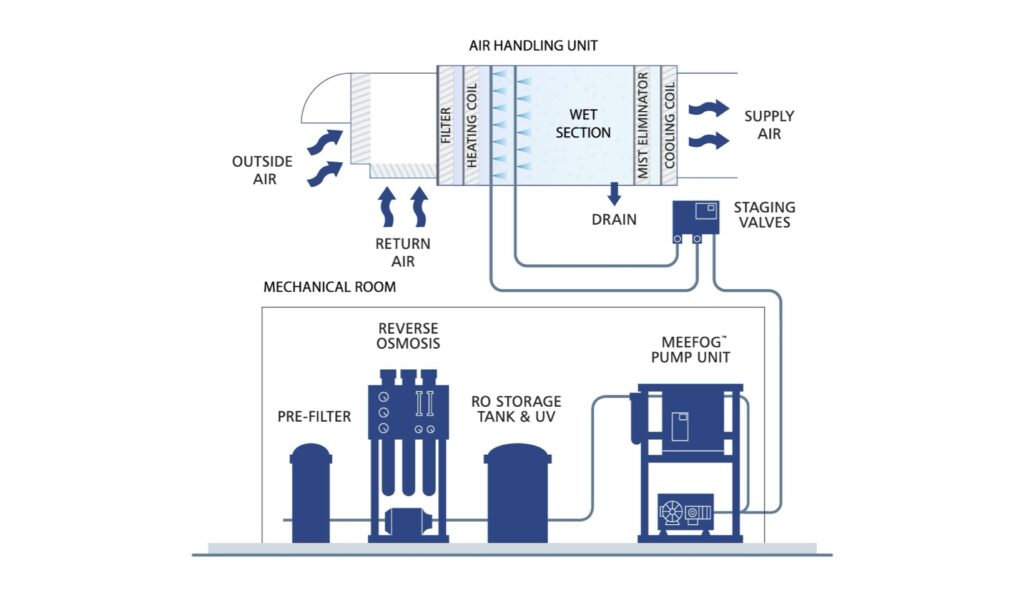
MeeFog supplied large reverse-osmosis (RO) water treatment systems to ensure the exact level of water purity required to protect both the air handlers and the supplied air circulating around the artifacts. Fog pump stations supply pressurized water to humidifier grids installed inside the museum’s air handlers. Each grid uses its own staging valve panel. This modular design allows accurate moisture introduction into the supply air stream and independent humidification control for each space. All RO systems and fog pump skids have built-in redundancy to eliminate the possibility of a component or device failure that could shut down the system and potentially endanger the artwork.
Switching to a high-pressure MeeFog adiabatic humidification system provided significant financial and operational benefits for the facility.

Maintaining strict conservation climates can be achieved without excessive operating or maintenance costs. By replacing outdated steam technologies with precision-engineered fogging systems, such as those from Mee Industries, facilities can improve performance and reliability. According to the facility manager, the new units provided significant annual energy savings, improved humidification control, reduced maintenance hours, and higher reliability. For museum building operators, upgrading to high-performance atomizing humidification supports sustainable and cost-effective building operations.
Reach out today to schedule a personalized site evaluation. For full system details, download our Building Humidification Brochure.
Or, Read More: Review the North Carolina Museum of Art Case Study to see how a MeeFog system improved the energy performance saving the museum more than $30,000 per year.