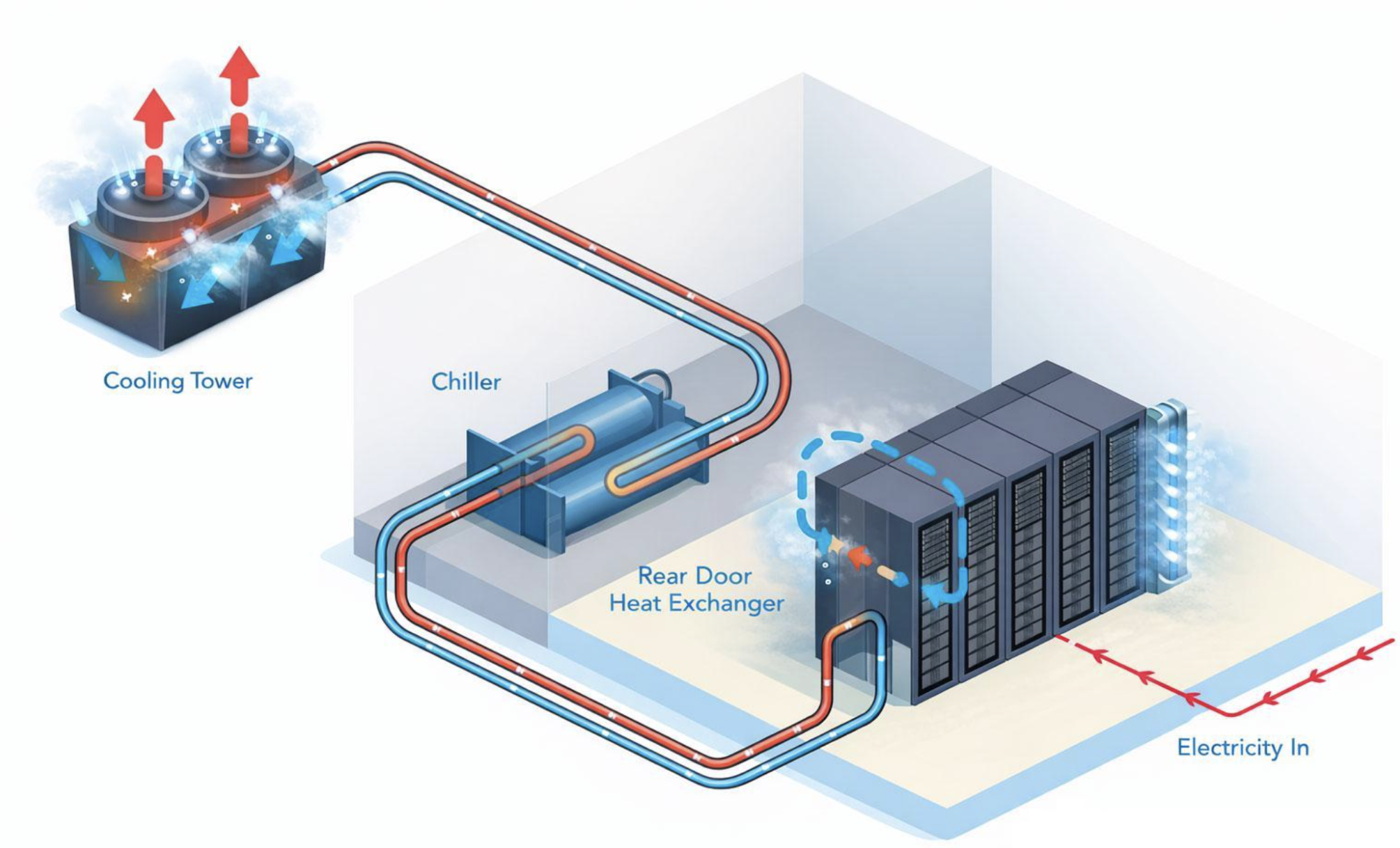
Evaporative Cooling for Data Centers: How Fog-Based Cooling Improves Efficiency and Reduces Energy Use
Cooling prevents overheating of servers, processors, and power systems in data centers so they can maintain high......
Existing Customers Call 626-359-4550 Or Visit Customer Care

TL;DR
High-pressure industrial fog systems require consistent maintenance to deliver reliable cooling, humidification, and performance across industries. Regular inspection and cleaning of nozzles prevent clogging, uneven fog output, and premature wear. Proper filtration and water treatment are essential to avoid mineral buildup that can damage pumps and distribution lines. Monitoring pump performance helps detect early signs of vibration, overheating, or pressure loss before failures occur. Sensors and control panels must be tested and calibrated to ensure accurate humidity and system control. Flushing and sanitizing water lines reduces scale and biofilm, especially in sensitive environments. Keeping spare parts on hand minimizes downtime and helps facilities maintain continuous, efficient operation.
High-pressure fog systems support critical work across industries every day. Whether they cool gas turbines, control humidity in greenhouses, or create stage effects, these systems help maintain comfort, consistency, and performance.
With thousands of units installed worldwide, it’s clear that a well-cared-for industrial fog system can make a big difference in how smoothly a facility runs. But you can’t keep these systems running smoothly without regular maintenance.
When fog machine maintenance is neglected, small issues, such as mineral buildup or nozzle wear, can escalate into larger problems, including uneven fog output, fluctuating humidity, or even downtime. Staying ahead of these challenges helps you protect both productivity and system life.
Effective fog machine maintenance begins with understanding each part of the system and how small issues can snowball if left unchecked. Focus your attention on these components to keep the system running smoothly.
Pumps and Nozzles
The pump and nozzle network form the core of the industrial fog system. The pump pushes water through distribution lines at high pressure, feeding nozzles that turn water into fine droplets. This is what creates the cooling or humidifying fog.
Pumps need regular checks for leaks, oil level, and pressure stability. Nozzles require inspection for clogs or uneven spray, which usually come from dust, minerals, or impurities in the water.
Annual nozzle cleaning is a good standard, but replace any that show wear or inconsistent patterns. Addressing these signs early keeps the industrial fog system working smoothly across all areas of your operations.
Filters and Water Treatment
Clean water is the foundation of reliable fog machine maintenance. Without proper filtration and treatment, minerals and contaminants can build up in lines and nozzles, reducing efficiency and causing long-term wear.
Systems that use municipal water typically benefit from reverse osmosis or deionization units. These remove dissolved solids and deliver clean water that won’t leave residue.
Facilities using well or recycled water need more frequent filter checks. Replace filters following the manufacturer’s recommended usage hours or when you notice a drop in pressure at the distribution line, which is an early sign of clogging.
Control Panels and Sensors
Every industrial fog system runs on a mix of electrical and electronic controls that balance output, timing, and integration with other HVAC or building management systems. In 2023, one out of five (22% ) of misting systems incorporated IoT devices.
These sensors and IoT devices track temperature, humidity, and pressure to keep fog levels balanced. Their function depends on keeping enclosures clean, checking for loose wiring, updating firmware when available, and watching for sensor drift (offset readings from the actual condition).
Regularly calibrate humidity and temperature sensors, especially in facilities where tightly controlled air quality is a must.
A consistent maintenance routine improves daily performance and extends the life of your system. Here is what you should do to maintain your industrial fog systems.
1. Inspect and Clean Nozzles Regularly
Nozzles are precision-engineered parts. When minerals or biofilm accumulate, they throw off fog patterns, cause leaks, or restrict flow. Remove and soak nozzles in a manufacturer-approved cleaning solution annually, or more often if your system uses hard water or runs virtually 24/7.
Use soft brushes or fine tools to clear residual buildup, then test for even spray patterns during reassembly. Having spare nozzles ready allows continuous operation in environments like gas turbine cooling or greenhouse applications.
2. Check and Replace Filters
Every filter change is non-negotiable. As filters load up with debris, pressure drops, pump loads rise, and nozzles suffer. Follow the manufacturer’s recommended schedule, but also factor in the local water quality, which can vary widely across the United States.
For agricultural and entertainment installations, where irrigation or reclaimed water is sometimes used, filters may clog faster. Keep spares on hand so any change is quick. Pay attention to the color and clarity of discharged water. If you see cloudiness, it typically indicates upstream filter or treatment failure.
3. Monitor Pump Performance
Pumps power every industrial fog system. Watch for vibration, unusual noise, or leaks at seals. These early signs often point to bearing wear or loss of efficiency. Track pressure and power data to spot changes before they become major issues.
Many facilities use digital monitoring tools that log pressure, flow, and run-hours. Use this data to plan service intervals and catch pump wear early. If your system runs year-round, annual rebuilds or seal replacements are worth considering. Always address any sign of overheating, which is a leading indicator of more serious pump issues.
4. Test Sensors and Controls
Sensors and control panels regulate fog output and maintain optimal humidity levels. Faulty or drifting readings can affect the consistency and safety of your operations. Run test cycles that simulate real operating conditions, such as high humidity or low-pressure situations, to validate accuracy.
If your industrial fog system is integrated with a building management system, compare system data with actual room readings. Clean sensor housings and recalibrate sensors according to the manufacturer’s guidelines to keep environmental data precise.
5. Flush and Sanitize Water Lines
Water lines can accumulate minerals or biological material that limit flow or create hygiene concerns. Flush the lines with clean water several times a year to remove buildup.
In sensitive environments like food processing facilities, hospitals, or museums, use approved sanitizing agents during scheduled fog machine maintenance. This helps prevent biofilm formation and supports compliance with frequently cited OSHA health and safety standards.
6. Keep Spare Parts and Service Kits on Hand
Downtime costs time and money. Maintain an inventory of key spares, including nozzles, O-rings, pump seals, filters, and control fuses. For facilities in rural locations or with time-sensitive fog applications, such as event venues or crop handling, this step can mean the difference between a short fix and a complete outage.
Work with suppliers to identify the recommended list for your industrial fog system and usage pattern. Log each part’s replacement date and lifespan to identify trends and adjust your stock levels.
Preventive fog machine maintenance is not a one-off project; it’s a sustained process that relies on consistency. Regular inspections, clean water, accurate sensors, and well-managed parts help you prevent downtime and maintain smooth operations across all industries, whether in power generation, agriculture, or commercial climate control.
The most important thing is to make this process part of your culture. Assign responsibility, train your staff, and use digital checklists if you can. As far as high-quality industrial fog systems are concerned, MeeFog has got you covered.
We offer a wide range of industrial fog systems and spare parts. Over 10,000 MeeFog systems are used worldwide across industrial applications. Call our toll-free number +1.800.732.5364 or reach out online to know more about our fog systems.
1. How often should I clean or replace fog nozzles?
Most operations benefit from annual cleaning and inspection of fog nozzles. In high-use or hard-water conditions, perform cleaning every 3 to 6 months. Replace any nozzle that fails to restore its spray pattern after maintenance.
2. What is the best way to check system water quality?
Use a portable total dissolved solids (TDS) meter to test the water entering the system. For high-pressure industrial fog systems, readings should usually stay below 50 ppm. If numbers exceed this level, inspect or upgrade your filtration and water treatment system.
3. Why is my fog system not producing enough fog?
Check common problem areas first, like clogged nozzles, dirty filters, low pressure, or control sensor faults. Confirm pump output and inspect the control panel for alerts or unusual readings before calling for service.
4. How do I avoid mineral buildup inside my system?
Use purified water from a reverse osmosis or deionization system. Replace filters regularly and flush distribution lines several times a year. Digital monitoring tools can help you track gradual performance changes that suggest scale buildup.
5. Are there special safety steps for electrical components?
Always disconnect power before opening control panels or working with wiring. Follow your facility’s PPE requirements. Check connectors and wires for looseness or wear, and test alarms or backup circuits each quarter.
6. What parts should I keep in inventory for emergency repairs?
Keep spare nozzles, pump seals, O-rings, filters, and control fuses available at all times. Stock levels should match your industrial fog system’s demands and service history. Keeping basic tools and cleaning supplies on-site also provides faster recovery during maintenance or repair.