MeeFog System Boosts Air Compressor Output at Fertilizer Plant
Case Study: Simplot’s Fertilizer Plant uses MeeFog technology to improve its ammonia production process, making it...
Existing Customers Call 626-359-4550 Or Visit Customer Care

TL;DR
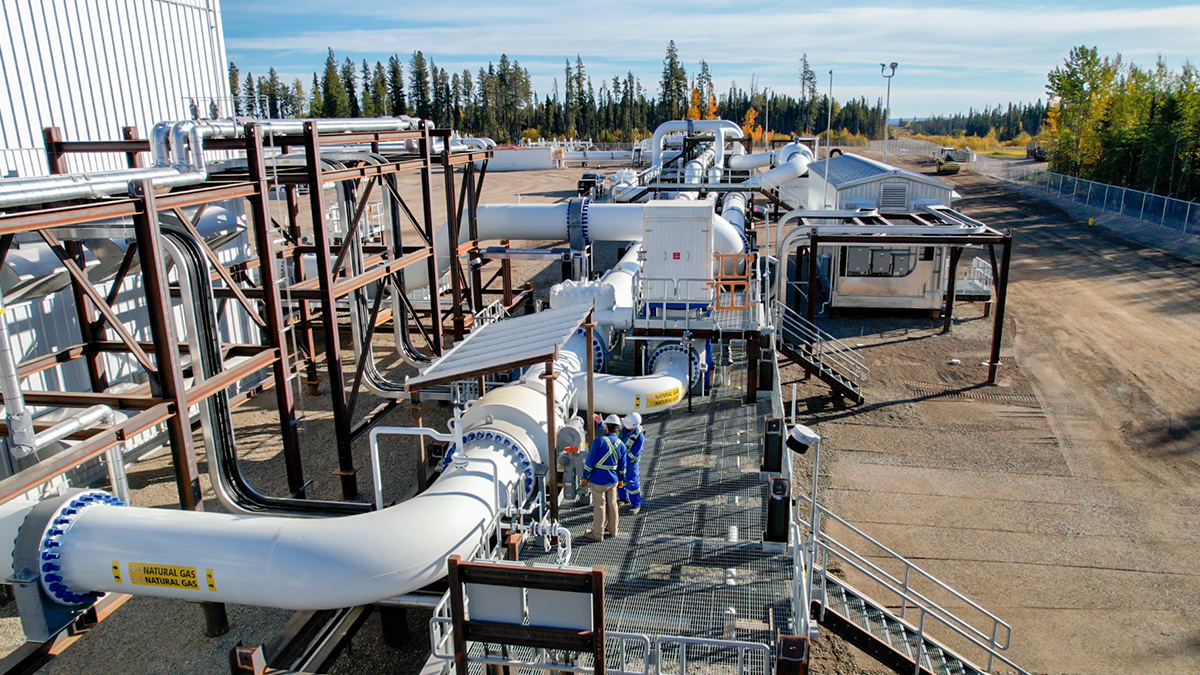
TC Energy faced challenges in maintaining gas temperatures during the summer heat at Station 650 in Lachenaie, near Montreal. By installing a MeeFog heat exchanger pre-cooling system as a retrofit to their existing fin-fans, they reduced outlet temperatures by approximately 10°F, providing smooth operations and stable throughput during high-demand periods.
TC Energy, a major natural gas infrastructure operator, faced difficulties cooling compressed natural gas at Station 650 during extreme summers. The existing fin-fans struggled to maintain safe gas temperatures during the summer heat, which threatened pipeline safety and efficient operation.
To solve this, TC Energy opted for a MeeFog heat exchanger pre-cooling system to boost the cooling of its existing infrastructure. The retrofit solution lowered the intake air temperature, increasing the cooling capacity of the fin-fans and maintaining safe gas temperatures without major system modifications.
TC Energy is one of North America’s largest natural gas infrastructure companies. They operate compressor stations and other facilities that provide the reliable transportation of natural gas across the continent. Their Station 650 faced challenges with cooling during extreme summer temperatures.
During moderate temperatures, TC Energy’s fin-fans effectively cooled the compressed gas. However, during extreme heat (around 90°F), the gas temperatures were nearing unsafe limits. This put pressure on the system, forcing operators to reduce flow, just as the demand surged. It was a scenario they couldn’t sustain long-term. The challenge was to lower gas temperatures without overhauling the existing cooling system.
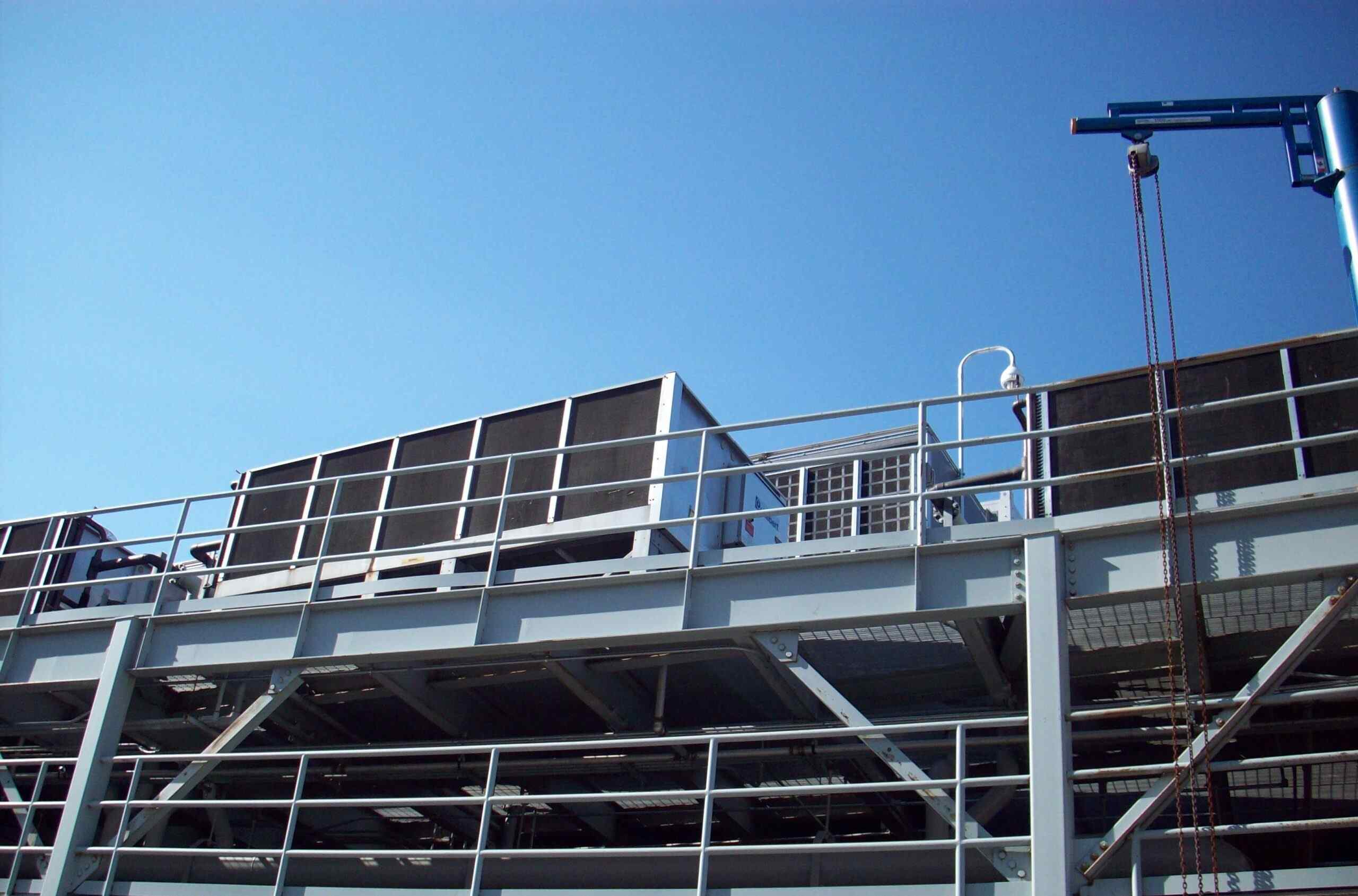
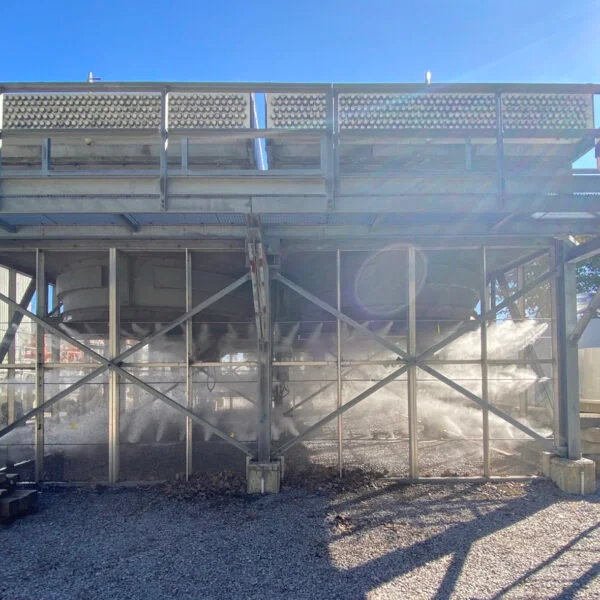
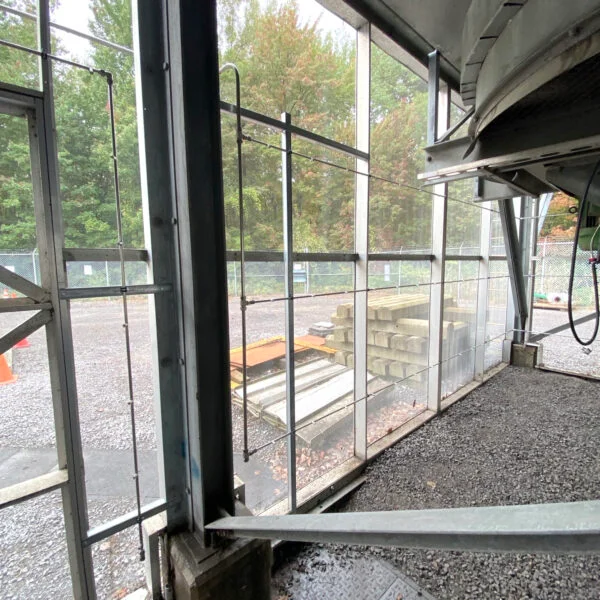
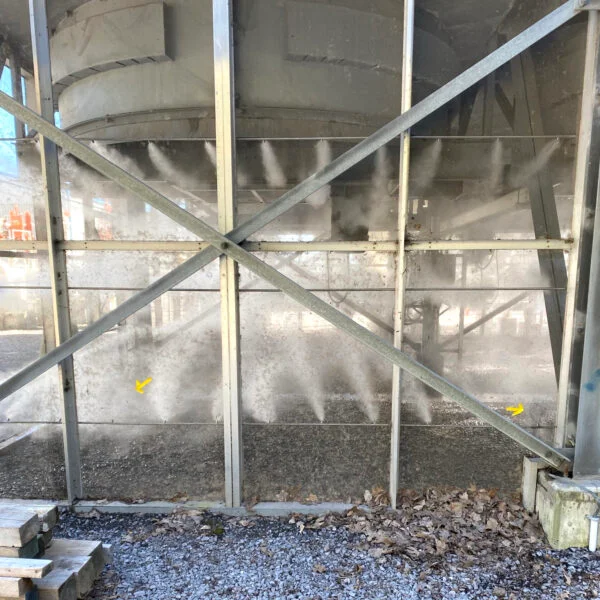
To address the challenges of cooling gas during extreme heat, MeeFog implemented a straightforward yet effective solution by introducing fog cooling to the existing infrastructure. The system involved installing 324 high-pressure stainless-steel nozzles around the fin-fans, creating a fine mist that cooled the intake air.
This retrofit improved the capacity of the existing fans, significantly improving cooling performance without requiring major changes or upgrades to the current system. This is what happened in gas turbine inlet cooling systems at power stations.
Key features of the heat exchanger pre-cooling system included:
“The MeeFog system is working properly and providing us with up to an additional 5℃ of cooling,” said Maxime Langevin, Engineering Manager, Station 650, TC Energy.
The MeeFog heat exchanger pre-cooling system was strategically installed around the existing fin-fans at Station 650. With custom mounting racks and integrated water filtration and quality control, MeeFog made sure that the fine mist evaporated before reaching the fin-fans. This approach helped boost cooling without overhauling the station 650’s core infrastructure or equipment layout.
By lowering the intake air temperature, MeeFog significantly improved the cooling capacity of the existing fin-fans (~10°F or 5°C). This resulted in a steady reduction of gas temperatures, even during summer heat, providing smooth operations when demand was highest.
The MeeFog retrofit was designed to seamlessly integrate with the existing system. This solution provided a significant performance boost without requiring expensive modifications to the fin-fans or the overall cooling infrastructure, saving both time and costs.
The high-pressure nozzles created a fine mist that fully evaporated before it came into contact with any equipment. This keeps the fin-fans, fins, and motors dry and protected, preventing any risk of moisture-related damage or performance issues.
With a low-maintenance design, the MeeFog system operated efficiently while reducing overall energy consumption. It provided a cost-effective cooling solution by improving performance and reducing the need for frequent maintenance, even during extreme heat events.
Since 1969, Mee Industries has been a trusted leader in high-pressure fogging solutions. Our systems have been installed globally, optimizing performance across diverse industries.
With more than five decades of expertise, MeeFog has honed its ability to deliver reliable and efficient cooling systems that meet the highest industry standards. Our long-standing track record reflects our deep understanding of customer needs and cutting-edge technology.
Our high-pressure fogging systems have been successfully implemented across the globe, helping businesses in power generation, HVAC, and various other sectors to improve performance. From North America to Europe, our installations consistently deliver enhanced efficiency and reliability.
MeeFog employs state-of-the-art high-pressure fog systems that are designed for optimal performance. These systems provide precision cooling, energy efficiency, and minimal maintenance, keeping your operations productive and cost-effective.
TC Energy’s successful retrofit shows how MeeFog can make a significant difference in cooling performance. If you’re facing similar challenges, consider adding fog cooling to your facility to boost performance without expensive overhauls.
Ready to explore how MeeFog can help optimize your cooling system? Contact us today to get a quote customized to your project’s needs. Our team is here to guide you through the process.