Creating Mystical Fog Effects for Theme Parks and Themed Attractions
Learn how attraction designers and operators can use high-pressure water fog as a controllable atmospheric design to...
Existing Customers Call 626-359-4550 Or Visit Customer Care

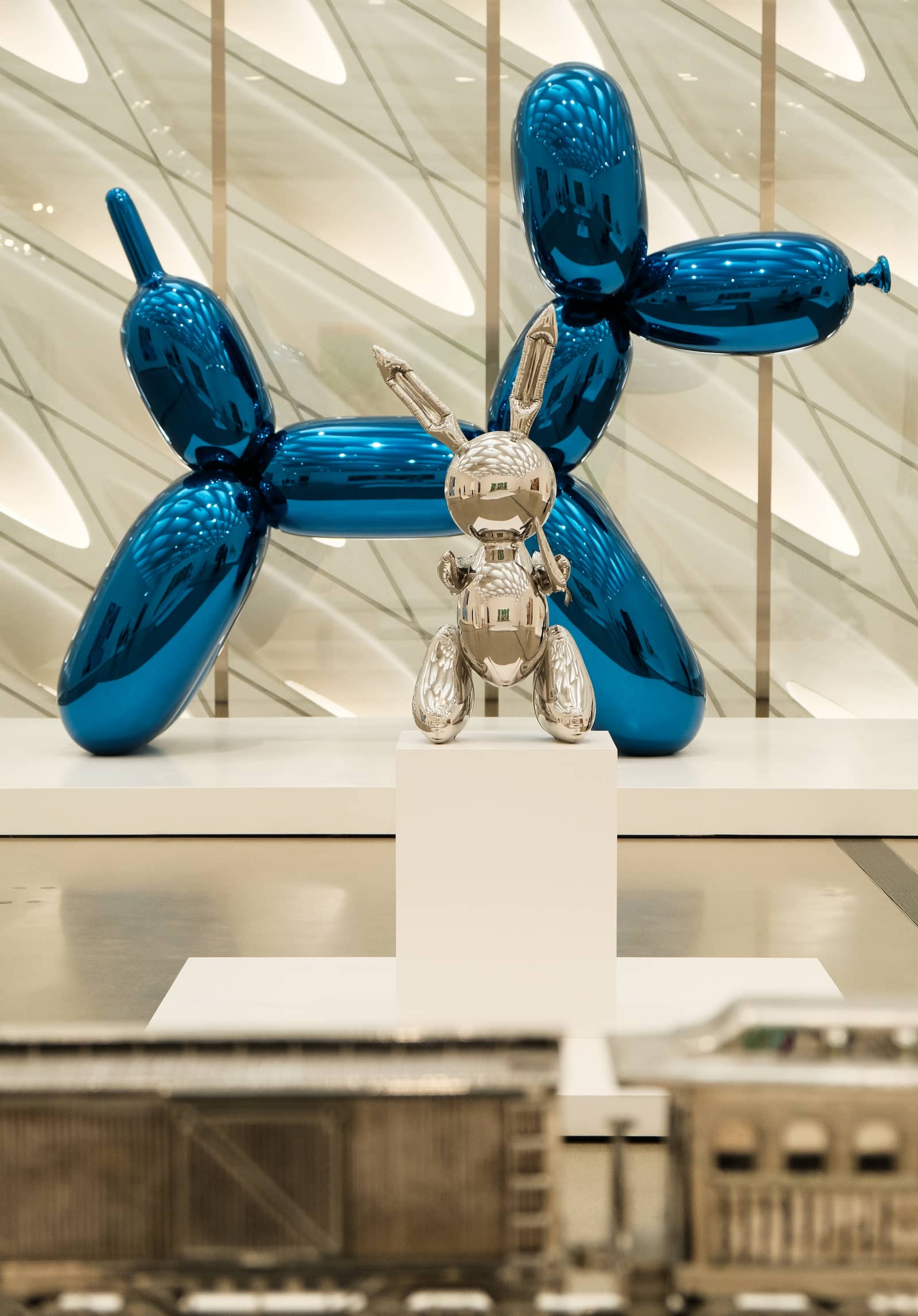
Major events such as the FIFA World Cup brought higher visitor volumes to museums and other cultural institutions. With LA28 approaching, many facilities may experience similar attendance, placing additional demand on the HVAC systems responsible for temperature control and relative humidity throughout the museum environment.
Museums preserve works of art made from wood, canvas, paper, and other organic materials, as well as metals and clay. They don’t respond to temperature and relative humidity in the same way.
The challenge becomes greater as museum exhibits change. A gallery displaying wooden artifacts may need different environmental conditions than one exhibiting photographs or contemporary installations. HVAC and humidification systems need to adapt to those changes.
Many museums establish their environmental targets using recognized conservation standards, such as ASHRAE guidelines, together with the needs of the collection.
Once those targets have been established, the priority is to keep relative humidity levels and temperature as consistent as possible.
Every visitor releases heat and moisture into the surrounding air. As more people enter a gallery, the temperature and relative humidity inside the space begin to change.
Temperature and humidity sensors continuously monitor those conditions. When readings move outside the target range, the HVAC system adjusts airflow, exhausts warm air, brings in treated fresh air, and supplies additional humidity when needed.
The greatest demand often occurs when peak visitor traffic coincides with the hottest time of the year. That combination provides a practical way to evaluate whether the HVAC and humidification systems have enough capacity to maintain the required environmental conditions.
Visitors may not notice a change of a few degrees or a small shift in relative humidity. Works of art made from wood, canvas, paper, and other sensitive materials can.
Older steam humidification systems can present several operational challenges, including:
Upgrading from an older steam system provides much tighter indoor humidity control.
A high-pressure fog system introduces humidity into the supply air handler. Using staging valves, the system modulates how much humidity is added to the supply air stream before it travels through the ductwork to different rooms in the museum.
Museums typically have temperature and humidity sensors in many locations throughout the building. These readings are sent to a central control computer or Building Management System (BMS).
The BMS collects the data and sends commands to the systems involved. If a room becomes too dry, it sends a demand signal to the museum humidifier to turn on for that specific room. This allows the BMS to make control decisions based on the readings already being taken throughout the museum.
Large buildings, including museums, require treated water before it is introduced into the supply air stream. Untreated water should not be sprayed into the air because it can compromise air quality and circulate around valuable artwork.
Steam systems also use treated water for clean steam applications to help prevent water treatment chemicals from entering the air.
Compared with steam humidification, high-pressure fog systems require much less energy because they do not rely on boiling water.
Both systems require RO water, but fog humidification uses about one-hundredth of the energy required to produce steam. It can also use lower-grade heat sources that are more readily available than the temperatures required for boiling.
Museums and archival facilities have different environmental requirements, but each project demonstrates how humidity control can be tailored to the building, the collection, and the facility’s operational goals.
The North Carolina Museum of Art was experiencing humidity variations of 30% in winter and up to 60% in summer, making it difficult to host many national traveling exhibitions.
Following an HVAC system overhaul, the museum achieved ASHRAE Class AA environmental conditions while replacing 92 distributed steam humidifiers with a single centralized humidification system. The upgrade also eliminated the need for boiler steam for humidification.
The improvements reduced maintenance activities, lowered energy consumption by more than 57%, and helped reduce operating costs by more than $30,000 per year.
After more than 30 years of operation, MOCA’s evaporative media humidification system was no longer able to provide the level of control required.
Replacing the existing air handling units would have required major demolition and extensive renovations and that makes a full replacement impractical.
Instead, the project retained the existing AHU casings while replacing the internal components, installing a humidification system, and integrating it with a new building automation system.
The retrofit delivered tighter humidity control while reducing electricity use, water consumption, and maintenance requirements. The operational savings allowed the system to pay for itself in approximately one year.
The Smithsonian Institution’s Pennsy Collections and Support Center is a collections storage facility that houses a wide range of artifacts, each requiring different temperature and humidity conditions.
The building also includes offices, workshops, meeting rooms, and other occupied spaces, creating different humidity requirements throughout the facility.
A single humidification system was designed to supply moisture to fifteen separately controlled humidification chambers connected to 29 roof-mounted air handlers.
This allowed each area to receive the right level of humidity for the materials it contained while providing precise humidity control throughout the facility.
Before visitor numbers increase, museums should evaluate whether their existing climate control systems are capable of maintaining the required environmental conditions under peak operating demands.
Planning should begin well before LA28 by considering two key factors: the season in which higher visitor volumes are expected and the maximum number of visitors the museum anticipates accommodating. These factors help determine whether the current humidity control system was designed to perform under those conditions.
One of the clearest warning signs is difficulty maintaining temperature or humidity set points under normal operating conditions.
If a museum is already struggling to maintain its environmental requirements before visitor numbers increase, higher occupancy is likely to place additional strain on the system.
Aging humidification equipment often becomes most apparent during periods of extreme weather, particularly during cold, dry winter conditions when maintaining humidity becomes more challenging.
Testing system performance during seasonal peaks can help identify potential issues before they affect museum operations.
If the system can maintain the required environmental conditions during both the harshest winter and summer periods, it is more likely to perform reliably during future periods of high visitor traffic.
If not, museums should begin planning upgrades before LA28 to ensure they can continue meeting the environmental conditions required for the collections in their care and for incoming exhibitions.
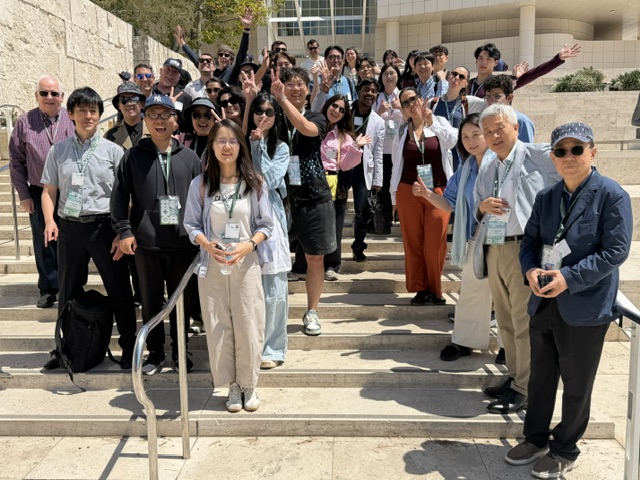
LA28 will bring increased visitor traffic and place greater demands on museum HVAC and humidity control systems. For facilities that are already struggling to maintain temperature or humidity set points, the event provides an opportunity to evaluate existing systems before peak conditions arrive.
By planning ahead, museums can determine whether their current humidification systems are prepared to meet future demands while maintaining the environmental conditions required to protect their collections.
To learn how other museums have modernized their humidity control systems, explore our California museum case study or speak with a Mee Industries engineer about evaluating your facility’s requirements.