Complete Guide to MeeFog’s Fogging Systems for Gas Turbines
Gas turbines lose efficiency in high temperatures due to reduced air density. MeeFog's advanced fogging systems use high-pressure water injection to cool the air, increasing...
Existing Customers Call 626-359-4550 Or Visit Customer Care

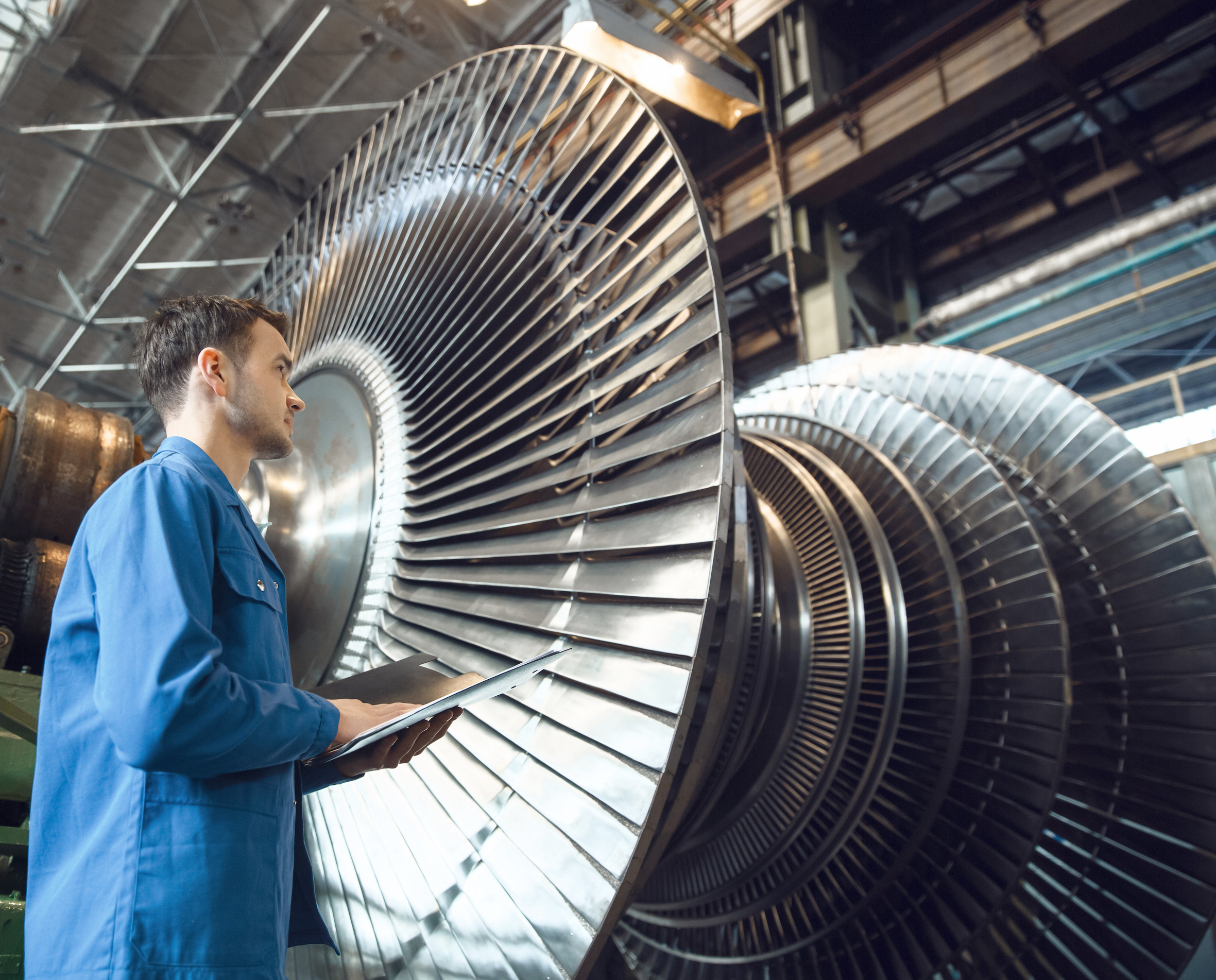
Gas turbines move a nearly constant volume of air, but hot air is less dense, so less air mass enters the turbine. This reduces the amount of fuel that can be burned and, therefore, lowers power output. A typical simple-cycle turbine may lose 10–20% or more of its rated output on hot days compared with ISO conditions (59°F/15°C). This is especially problematic because electricity demand and prices are often highest on the same hot afternoons when turbine output is reduced.
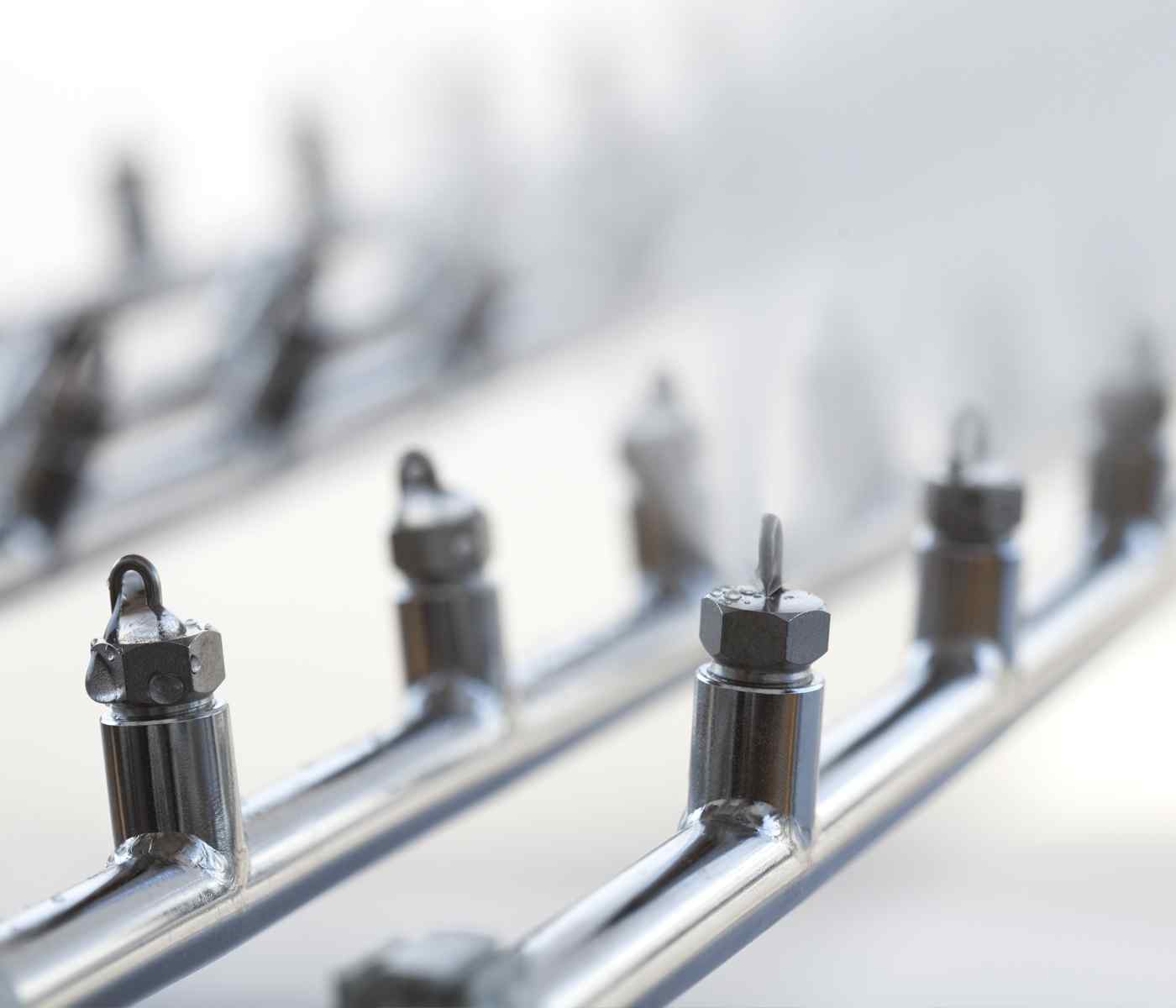
Inlet fogging addresses this problem using evaporative cooling. High-pressure nozzles spray demineralized water into a fine fog in the inlet duct before the compressor. The droplets evaporate, lowering the air’s temperature. As the air cools, it becomes denser, allowing more air mass to enter the compressor and helping restore mass flow and power output.
Wet compression injects more water into the turbine inlet than the air can immediately absorb. Some droplets enter the compressor and evaporate between stages, cooling the air during compression. This effect is similar to intercooling: cooling the air during compression reduces compressor work and can improve overall turbine performance. As a result, wet compression can provide greater power and efficiency benefits than fogging alone.
For operators looking to increase gas turbine output beyond traditional inlet cooling, wet compression can provide an additional performance boost. While systems such as SPRINT have been used to achieve this, they can bring significant equipment and maintenance costs. MeeFog offers a lower-cost alternative. By adding wet compression behind an existing inlet cooling system, operators can achieve a comparable increase in power output without investing in a more complex system. The approach builds on equipment that may already be in place while minimizing additional maintenance requirements.
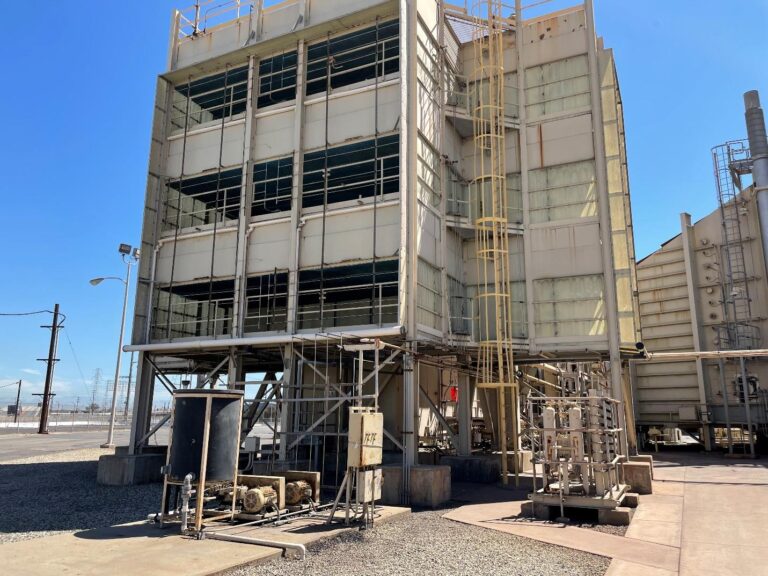
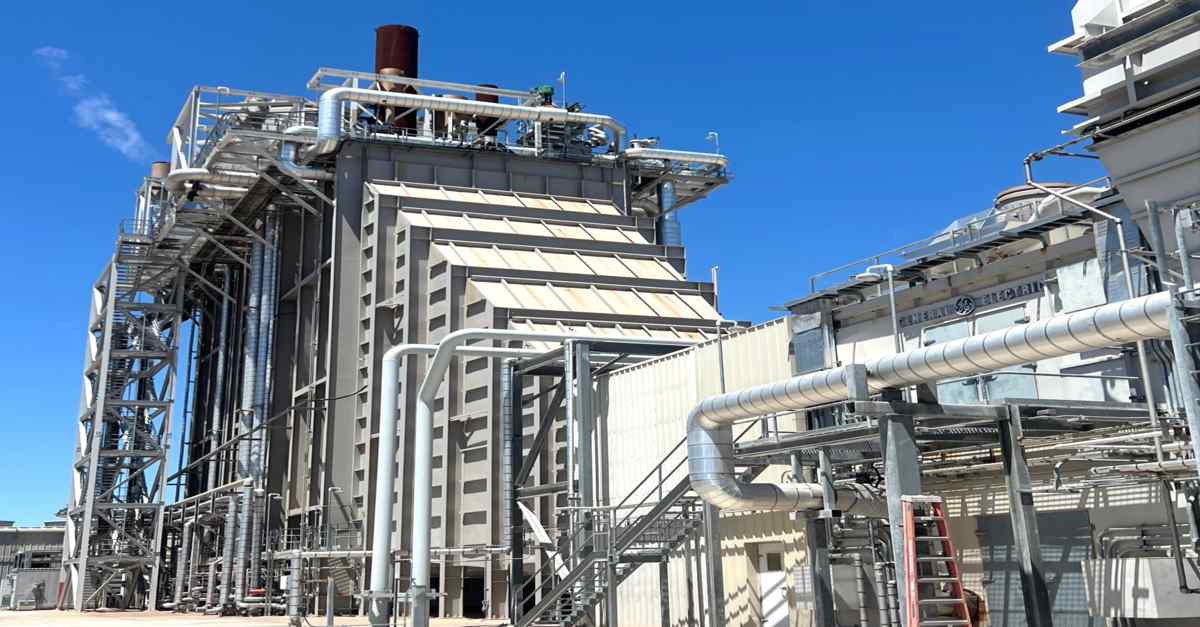
In 2021, MeeFog wet compression systems were installed on two GE 7F.03 gas turbines in the southwestern US, both equipped with PSM’s FlameSheet combustion technology. By 2024, the user reported increased operation of the wet compression system, with performance exceeding expectations. Each turbine achieves up to 14 MW of power boost with a fog system flow rate of 35 gpm. The fog systems have operated for four summer seasons without any compressor blade erosion or other turbine issues.
MeeFog currently has an offshore installation in Mexico demonstrating this approach, with an additional configuration planned for NVE’s Las Vegas Cogen facility. Data from the Las Vegas installation will provide another opportunity to document wet compression performance under real-world operating conditions.
For plants seeking additional output during hot-weather operation, inlet fogging and wet compression offer a practical way to increase generating capacity without the cost and parasitic load associated with large mechanical chilling systems. MeeFog systems give operators a straightforward way to recover hot-weather output and pursue additional power gains through high-pressure inlet fogging and wet compression.
Share your turbine model, operating conditions, and existing inlet-cooling configuration. A MeeFog engineer will help evaluate whether wet compression is suitable for your plant and identify the potential performance gains and system requirements.