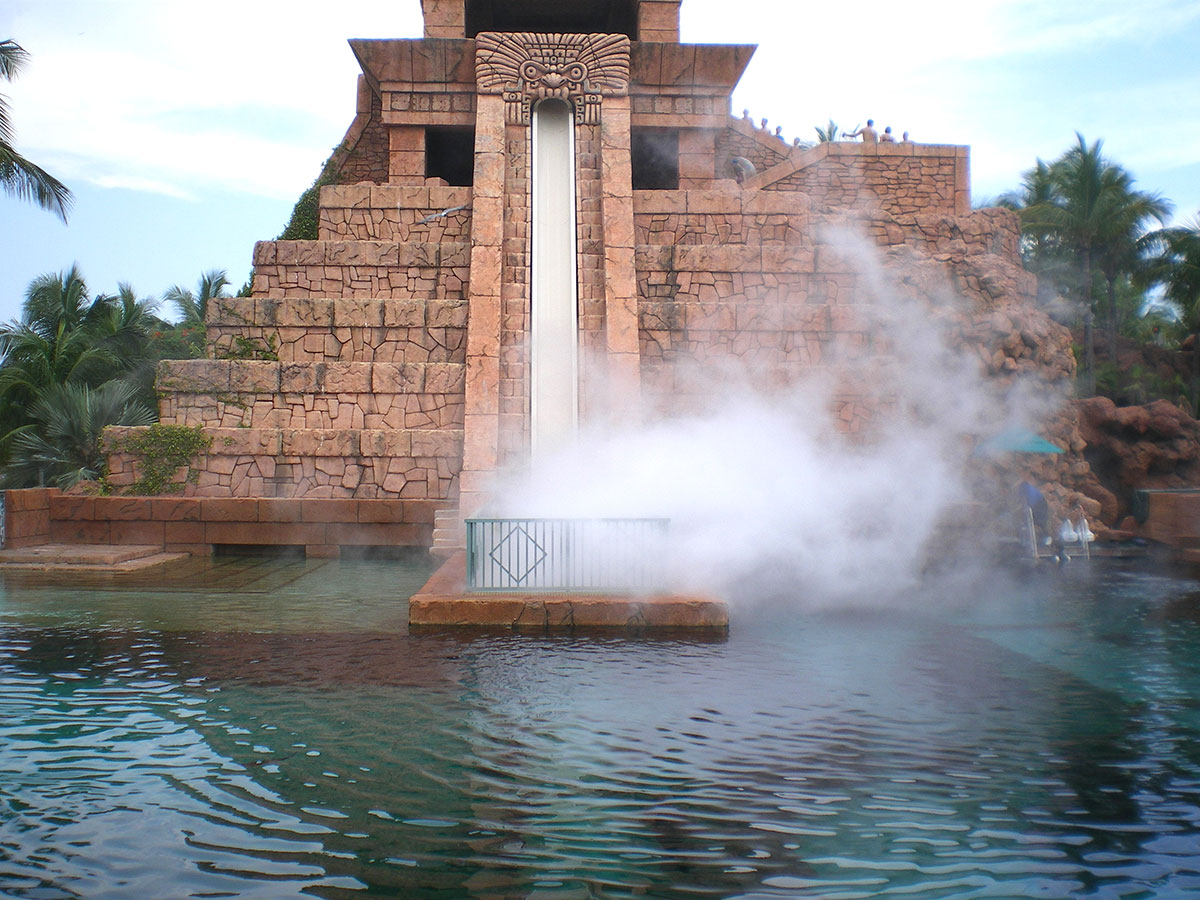
Creating Mystical Fog Effects for Theme Parks and Themed Attractions
Learn how attraction designers and operators can use high-pressure water fog as a controllable atmospheric design to...
Existing Customers Call 626-359-4550 Or Visit Customer Care

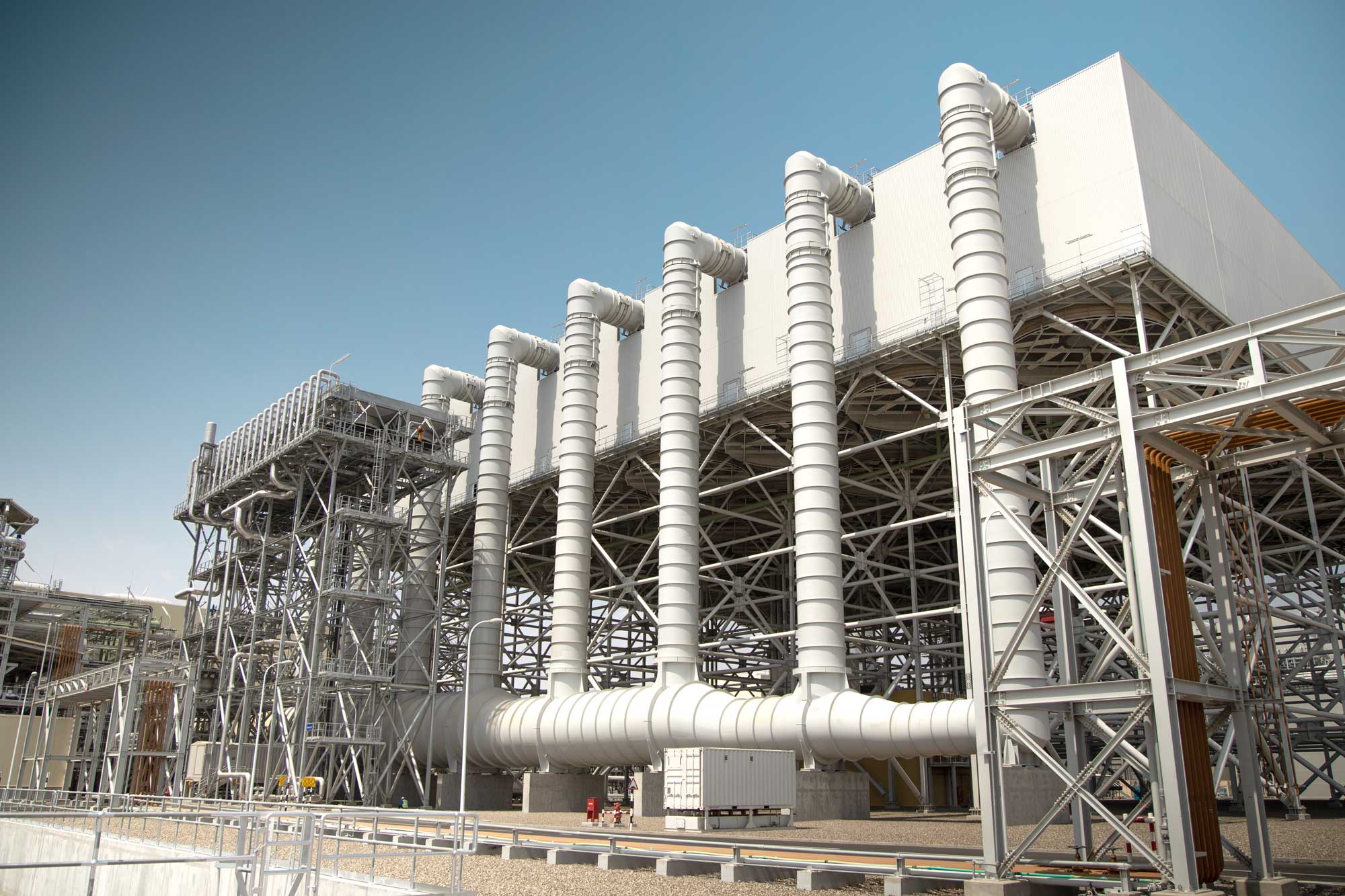
High-pressure fogging systems solve the critical problem of summer power de-rating by using adiabatic cooling to lower condensate temperature. By releasing ultra-fine droplets that evaporate instantly to pre-cool air traveling over the coils, these systems reduce turbine back-pressure and allow air-cooled condensers to operate at peak efficiency. This rapid-response technology effectively restores generating capacity and protects vital equipment from thermal stress during extreme heat waves.
Beyond performance gains, fogging offers a sustainable and cost-effective alternative to traditional cooling towers. It significantly reduces water consumption while lowering the parasitic power needed for auxiliary fans. By maintaining full output during peak pricing hours, plant operators can maximize revenue and ensure grid reliability. This modular solution integrates seamlessly into existing infrastructure, providing a high-return investment for modern power generation facilities.
Summer brings a vicious cycle of increased energy demand and output drops for power plants across the US. The air-cooled condenser in your power plant loses its ability to reject heat efficiently as the outdoor temperature increases, resulting in output drops.
In fact, our country has experienced about 60% more heat season power outages during 2014-2023 than it did in the first 10 years analyzed (2000-2009). For consumers, this seasonal power loss is an inconvenience.
But for power plant operators, it represents millions in lost revenue, strained grid reliability, and the risk of brownouts across entire regions. If you run a combined cycle power plant, Geothermal, Coal Fired or Nuclear power plants every degree of ambient temperature rise can mean a measurable increase in the steam turbine back-pressure.
One of the best solutions to this problem is high-pressure fogging technology. It offers a proven, cost-effective way to fight back against summer brownouts.
Let’s find out how.
High-pressure fog systems release billions of ultra-fine water droplets into the air stream entering your air-cooled condenser in a power plant. These droplets evaporate almost instantly, pulling heat from the surrounding air through adiabatic cooling. The result is a significant drop in ambient air temperature before it ever contacts the condenser fins.
If you have an air-cooled condenser on your combined cycle power plant, Geothermal, Coal Fired or Nuclear power plants having a well-designed fog system can help you avoid back-pressure on a 110°F day during the summer. This approach helps maintain thermal efficiency by reducing ambient temperature and bringing back the megawatts that summer heat stole.
When the air-cooled condenser in a power plant cannot reject heat fast enough, the steam turbine back-pressure rises. Elevated back-pressure forces the turbine to work harder while producing less electricity. This is the core issue behind summer brownouts.
Fogging breaks this cycle by giving the condenser cooler air to work with. Lower condensing temperatures mean lower back-pressure. Your turbine operates closer to its design point, maintaining the ambient air temperature and output levels you planned for during commissioning.
The improvement is immediate and measurable. Many power plant operators typically see back-pressure reductions within minutes of activating the fog system.
During heat waves, many operators increase fan speed on the air-cooled condenser to compensate for poor cooling performance. Running fans at higher speeds consumes significantly more parasitic power because fan energy demand increases with the cube of speed.
Fogging reduces the thermal load on your condenser, allowing fans to operate at lower speeds while still meeting cooling targets. The parasitic power savings go directly to your net output, improving overall plant efficiency. Furthermore, that freed-up electricity goes to the grid where it is needed most.
Summer afternoons bring the highest electricity prices of the year. These are the exact hours when an air-cooled condenser in a power plant underperforms. Without intervention, you lose generating capacity precisely when each megawatt-hour carries maximum market value.
Fogging systems allow your plant to maintain full output during these critical peak windows. The revenue recovered during just a few weeks of summer operation often pays for the entire fog system within a single cooling season.
This economic advantage makes high-pressure fogging one of the highest-return investments available for air-cooled condensers on steam turbines.
One concern plant operators raise about any cooling augmentation is water consumption. A steam condenser in a combined cycle power plant, Geothermal, Coal Fired or Nuclear power plants using traditional wet cooling towers consumes enormous volumes of water through evaporation and blowdown.
High-pressure fogging uses much less water. The fog is used for peak shaving and may run as little as 50-100 hours a season.
Extreme heat does not just reduce output. It accelerates wear on condenser components, fan motors, and turbine seals. Prolonged operation at elevated condensate temperatures increases back-pressure and puts stress on your power plant’s steam turbine, shortening equipment life and increasing maintenance costs.
By keeping dry cooler condensate temperatures within normal ranges, high-pressure fogging protects your capital investment. Your components last longer, unplanned outages decrease, and maintenance intervals can be extended.
The long-term savings on parts and labor add another layer of return beyond the immediate power output boost. That’s one more reason for you to start thinking about this innovative cooling solution.
Extreme heat is becoming more of a norm thanks to increased global warming. Across many cities in the US, the average rate of extreme heat events increased from two per year in the 1960s to ten per year between 2010 and 2020. Additionally, 2015-2024 was the hottest 10-year period on record.
The chances are, a sudden heat spike can catch your operators off guard, and ramping up alternative cooling solutions takes time. Meanwhile, your air-cooled condenser on a combined cycle power plant, Geothermal, Coal Fired or Nuclear power plants suffers immediately when temperatures jump unexpectedly.
High-pressure fog systems activate in seconds. There is no thermal lag, no ramp-up period, and no complex startup sequence. You go from standby to full cooling augmentation almost instantly, giving your plant the agility to respond to changing conditions in real time.
This rapid-response capability is especially valuable for plants participating in grid ancillary services or operating under strict dispatch obligations.
Every combined cycle power plant, Geothermal, Coal Fired or Nuclear power plants has a unique layout, and cooling augmentation solutions need to fit within existing infrastructure. MeeFog’s high-pressure fog systems are modular by design, with nozzle arrays that can be customized to match your specific condenser geometry and airflow patterns.
Whether your plant has a single A-frame condenser or a multi-cell configuration, fogging integrates without major structural modifications. Installation typically requires no extended outage, and the system operates alongside your existing controls.
This flexibility means you can start with a partial installation targeting your most heat-affected cells, then expand coverage as budget and performance data support further investment.
Every summer, rising temperatures push steam turbines with air-cooled condensers into derating territory, grid operators scramble for capacity, and electricity prices spike. If you maintain full output during these periods, you can capture significant competitive and financial advantages.
MeeFog’s high-pressure fogging addresses the root cause of summer power loss in steam turbines with air-cooled condensers by delivering cooler ambient air exactly when and where it is needed. It’s a proven technology that uses minimal water and delivers returns that justify the upfront investment quickly.
MeeFog has spent over 50 years engineering high-pressure fogging systems that solve exactly this problem. Contact us now to get a customized solution for your power plant.