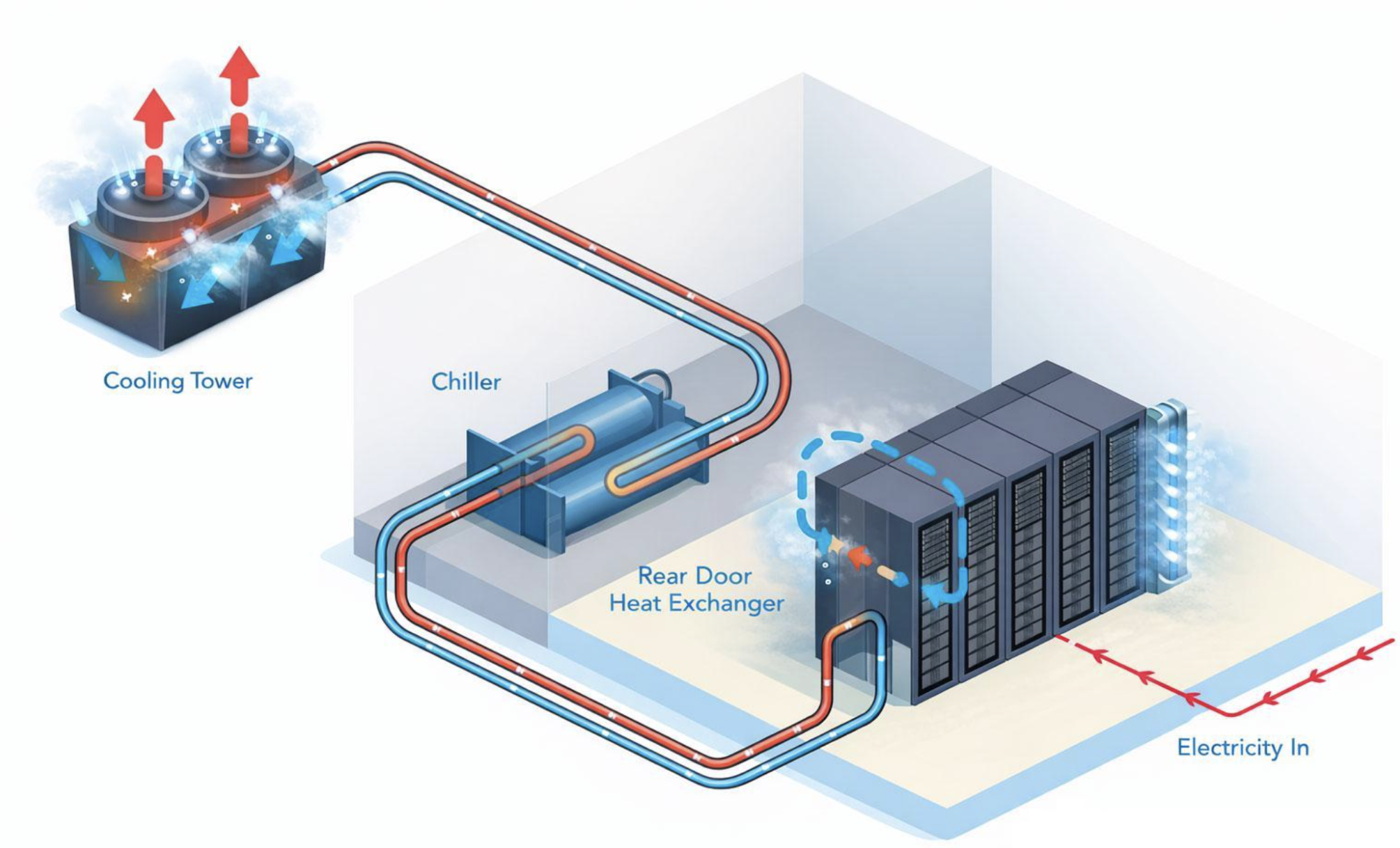
Evaporative Cooling for Data Centers: How Fog-Based Cooling Improves Efficiency and Reduces Energy Use
Cooling prevents overheating of servers, processors, and power systems in data centers so they can maintain high......
Existing Customers Call 626-359-4550 Or Visit Customer Care

TL;DR
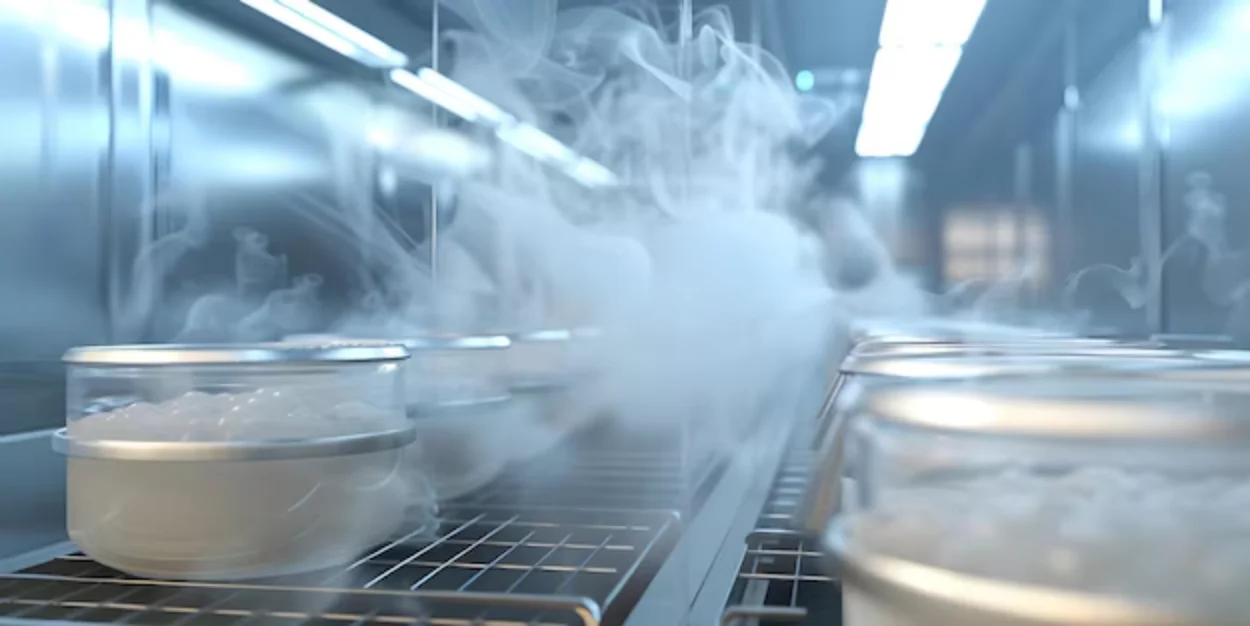
Laboratories are moving away from steam humidification due to high energy costs, maintenance demands, and environmental concerns. Modern fogging systems like MeeFog offer energy-efficient, low-maintenance, and sustainable solutions that meet today’s laboratory needs, providing precise control and reducing overall costs.
By switching to MeeFog’s humidification system, you can cut energy consumption, reduce downtime, and lower maintenance costs. These advanced systems also align with green building standards, helping you meet sustainability goals while maintaining optimal air quality and humidity control.
Laboratories are unique environments where precision and control are paramount. A significant aspect of this control is managing the air quality, specifically the humidity levels. Historically, many labs have relied on steam humidifiers to maintain ideal humidity.
However, as technology evolves and the demands for energy efficiency and environmental sustainability increase, laboratories are gradually moving away from steam humidification.
In this post, we will explore why laboratories are shifting away from steam humidifiers, the challenges they present, and how alternatives, like MeeFog’s innovative solutions, are becoming the go-to choice.
For years, installing a laboratory steam generator was standard for labs that wanted humidity control. These devices add water vapor by boiling water and releasing steam into the air handling system. People viewed steam as clean, sterile, and effective.
Reliability played a large part in this. With stable output and little concern over introducing contaminants, many facilities managers considered steam humidification a safe bet. Laboratories with precise scientific equipment or those handling sensitive samples have little room for error, so the predictability of steam won trust.
Yet, the story today looks different. Laboratories and research centers across the globe face new economic and environmental pressures, and the limitations of steam humidifier technology have become more evident.
One of the most common drawbacks laboratories face with a steam humidifier is the energy bill. Heating water takes a lot of power. With a typical laboratory accounting for over 60% of a major research university’s energy consumption, saving every single unit of power matters.
Modern adiabatic systems, such as MeeFog’s lab humidification systems, use a fraction of the energy that steam humidifiers require, translating into substantial savings on energy bills. These systems are particularly beneficial for labs that operate continuously or in high-demand environments.
A steam humidifier relies on water boiling, which means scale and mineral buildup happen over time. This can reduce performance, increase downtime, and require regular cleaning or replacement of parts. In some situations, poor water quality can lead to corrosion or even contamination of the HVAC system.
Deionized or reverse osmosis water may be required to mitigate issues like scale buildup, corrosion, or contamination. However, this adds complexity to supply chain management and increases operational costs.
While both MeeFog and steam systems face similar water treatment challenges, MeeFog systems generally require much less maintenance. This is because each Air Handling Unit (AHU) in a MeeFog system operates independently with its own controls.
In contrast, a central steam plant failure impacts all units simultaneously, increasing downtime and maintenance needs. The redundancy built into MeeFog systems reduces the likelihood of widespread system failures, resulting in less downtime and lower maintenance demands.
Modern labs face strong expectations to lower their environmental footprint. Climate goals, green building certifications, and campus-wide energy initiatives all define purchasing and engineering decisions. The high energy use of a laboratory steam generator can stand in the way of achieving these targets.
Sustainability goes beyond energy efficiency. Many lab managers now want systems that use less water and have a lower direct greenhouse gas impact. This has pushed research facilities and laboratories to look for humidification options that support ambitious environmental standards.
For any lab professionals, finding solutions that balance safety, precision, energy savings, and sustainability has become a priority today. Demand has changed what labs expect from their environmental control systems. High-pressure fog and advanced misting systems, such as those developed by MeeFog, offer a new path.
Labs are moving to these modern solutions for the following reasons.
Scores of universities and research campuses now pursue LEED certification and similar standards. These certifications require careful attention to every aspect of a lab’s energy and water profile. A steam humidifier can hurt a facility’s points for energy efficiency.
As a result, alternative humidification methods, including fog systems, are being installed in both new builds and retrofits for this reason. In 2011, Iowa State University’s chemistry building became the country’s first Gold LEED-certified laboratory by installing MeeFog humidification systems to maintain indoor air quality in the winter. This helped ISU cut energy costs significantly.
The upfront equipment cost is only one part of the investment for any environmental control system. Maintenance, energy, and end-of-life replacement all change the total cost. Typically, a steam humidifier draws more electricity and needs more labor for regular cleaning and repairs.
Fully automated or low-maintenance systems can free up time for technical staff and improve overall reliability. For example, NSF had 9 gas-fired laboratory steam generators at its Ann Arbor, MI, facility. Replacing them with a humidification system by MeeFog helped their lab and testing center save over $75,000 in energy costs compared to steam humidifiers.
The new system also lowered its annual maintenance costs by $18,000. This is one of the many examples of laboratories trading steam humidifiers for better, more advanced adiabatic systems because they demand less energy and attention.
Reliability is at the core of laboratory research, where even a minor disruption can set back projects, spoil samples, or lead to expensive repeat testing. While steam humidification systems are known for stable output, they often require a full shutdown for descaling and other maintenance.
By moving to fog-based or misting systems, your laboratory can complete the maintenance with the lowest possible downtime. This lets your team stay focused on its work without worrying about environmental glitches.
Modern labs need tight controls and the ability to respond to changing conditions. With legacy steam humidification, ramp-up and ramp-down times can be slow. Fine-tuning output sometimes results in wasted energy or uncomfortable workspaces.
By contrast, fog systems offer precision tuning with digital controls and quick response times. This technology suits multi-purpose labs, mixed-use buildings, and even facilities where the indoor climate may change hour by hour based on experiments or occupancy. MeeFog fogging systems can stage different quantities of nozzles, offering your lab up to 31 stages of control.
As laboratories continue to evolve and prioritize energy efficiency, they will keep moving away from traditional steam humidification systems. The energy inefficiencies, maintenance requirements, and environmental concerns associated with steam humidifiers are driving labs toward more sustainable solutions, such as fogging systems.
MeeFog, an industry leader in industrial and commercial humidification systems, offers reliable, cost-effective, and environmentally friendly solutions. With proven success, our technology is leading the way in improving laboratory humidification for a more energy-efficient and sustainable future.
If you are planning your next laboratory upgrade or new construction, get a quote for your humidification system.