How Can Data Centers Reduce PUE Using Adiabatic Cooling?
Precision and control are critical when using any cooling system for a data center. With adiabatic methods,......
Existing Customers Call 626-359-4550 Or Visit Customer Care

TL: DR
Ask any industrial, agricultural, or commercial manager about their biggest challenge, and they typically point to one thing:
Maintaining the right temperature and humidity!
Whether you run an industrial printing facility that needs consistent humidity to improve print quality or manage an energy plant focused on cutting operational costs, you need effective indoor environment control. Many facilities turn to water-based cooling systems for this purpose. The choice typically comes down to high-pressure fog systems or traditional misting systems.
While both systems use water droplets to cool and humidify the air, they operate very differently. They vary in pressure, droplet size, efficiency, and overall performance. These are the factors that directly affect how well your system meets your requirements for environmental control.
So, which solution best fits your facility’s needs?
This article explains the difference between high-pressure fog systems and traditional misters, helping you decide which one offers better results for your application.
Once you take a closer look, you understand that the difference between misting and fogging systems is all about engineering and application. Traditional misters use low to moderate water pressures to create larger droplets. In contrast, a high-pressure fog system uses water pressures as high as 1,000 psi or more to produce tiny droplets.
Let’s understand how these two systems differ from each other.
Traditional misters operate at low or medium pressures, usually between 100 and 300 psi. A pump pushes water through standard nozzles, producing droplets that are visible and relatively large. These droplets cool the air by evaporation, but because of their size, they can also create wet surfaces if the surrounding conditions are not ideal.
A high-pressure fogging system typically runs at pressures around 1,000 psi or higher. The system forces purified water through precision-engineered nozzles, atomizing it into ultra-fine droplets just a few microns in diameter. These droplets evaporate instantly in the air, producing a cooling and humidifying effect without wetting surfaces.
The key difference lies in this droplet size. Fog droplets are much smaller and lighter, which enables faster evaporation and more uniform air treatment.
The size of water droplets determines how effectively the system evaporates them. When you compare misting vs fogging systems, this is the most visible difference.
Here’s how droplet size and distribution happen in each system:
An ideal high-pressure fog system keeps droplets light enough to suspend in the air, creating consistent cooling without condensation.
This difference translates directly into safety, energy savings, and improved performance for industries that handle moisture-sensitive products or equipment. For instance, a MeeFog high-pressure fogging system helped Ann Arbor News improve IAQ and save $140,000 annually on energy.
Traditional misters can provide surface cooling and comfort in open spaces, but they consume more water and energy relative to their cooling effect. Their larger droplets transfer heat less efficiently because not all the water evaporates before reaching the ground.
By contrast, a high-pressure fogging system follows an adiabatic cooling principle. As each fine droplet evaporates, it absorbs heat from the surrounding air. This natural process reduces ambient temperature without using compressors or refrigerated cooling.
MeeFog systems have shown measurable energy savings across applications. Located in Orland Park, IL, the Aileen S. Andrew Memorial Library generated annual energy savings of over $26,000 using a high-pressure fogging system compared to gas-fired steam-generating humidifiers.
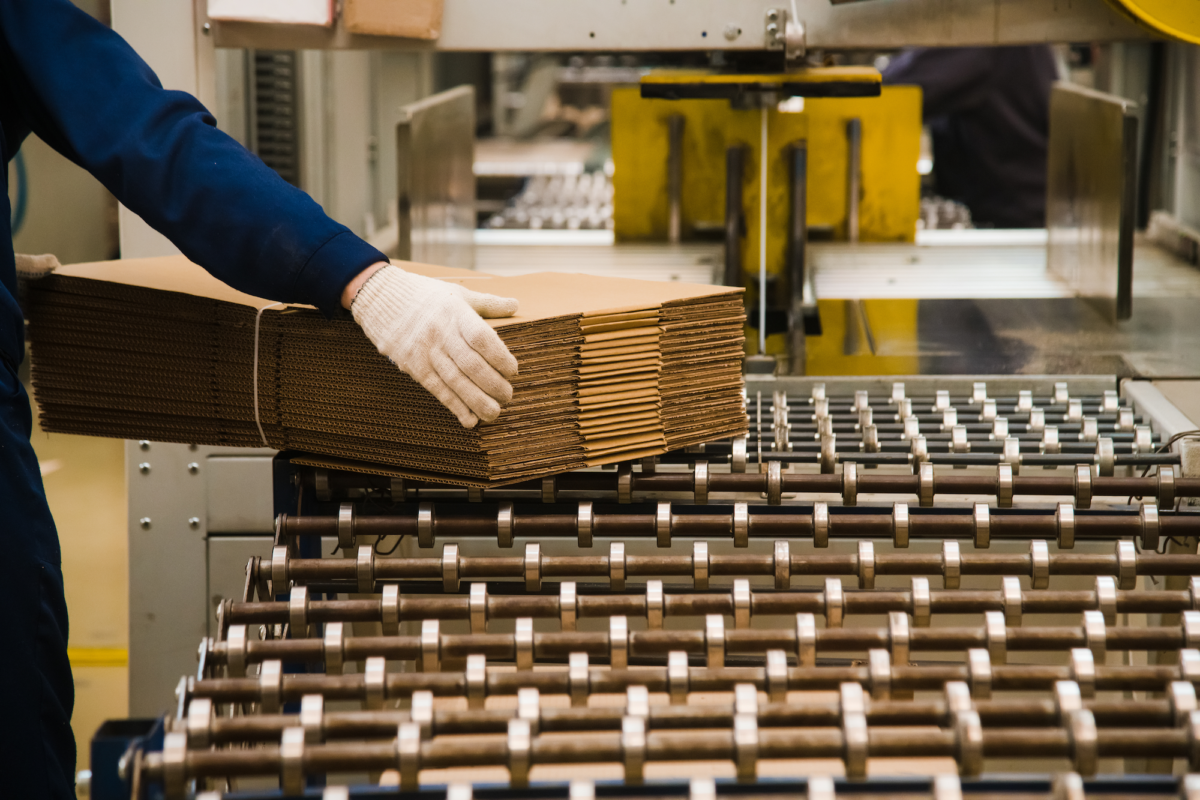
Low-cost misters may work well in outdoor patios, but they are not suitable for precision-controlled environments like manufacturing plants, electronics facilities, or printing lines. Their large droplets can cause surface wetting or condensation, leading to corrosion, static buildup, or material deformation.
A high-pressure fogging system handles moisture control with greater accuracy. They use automated sensors and intelligent controls to monitor ambient conditions and adjust water output in real time. The result is consistent humidity levels and safe operation near machinery, electrical panels, or sensors. It’s why many research facilities, like Arizona State University’s LEED Platinum Certified Research Lab, rely on high-pressure fog systems, not traditi onal misters.
Another difference between fog systems and misting systems is water preparation and long-term maintenance. Traditional misters may work with standard tap water, but mineral buildup in nozzles can occur over time. This reduces efficiency and increases maintenance frequency.
High-pressure fog systems typically use purified water, which is deionized or reverse osmosis-treated. This approach keeps nozzles free from mineral deposits and maintains a consistent droplet size.
These systems are also designed for minimal upkeep, which means operators typically only need to inspect filters, nozzles, and pumps periodically. Many systems operate for years with little attention beyond scheduled servicing.
Simple but limited, traditional misters usually work as standalone cooling tools. Adapting them to complex facilities or integrating them with HVAC systems can be challenging.
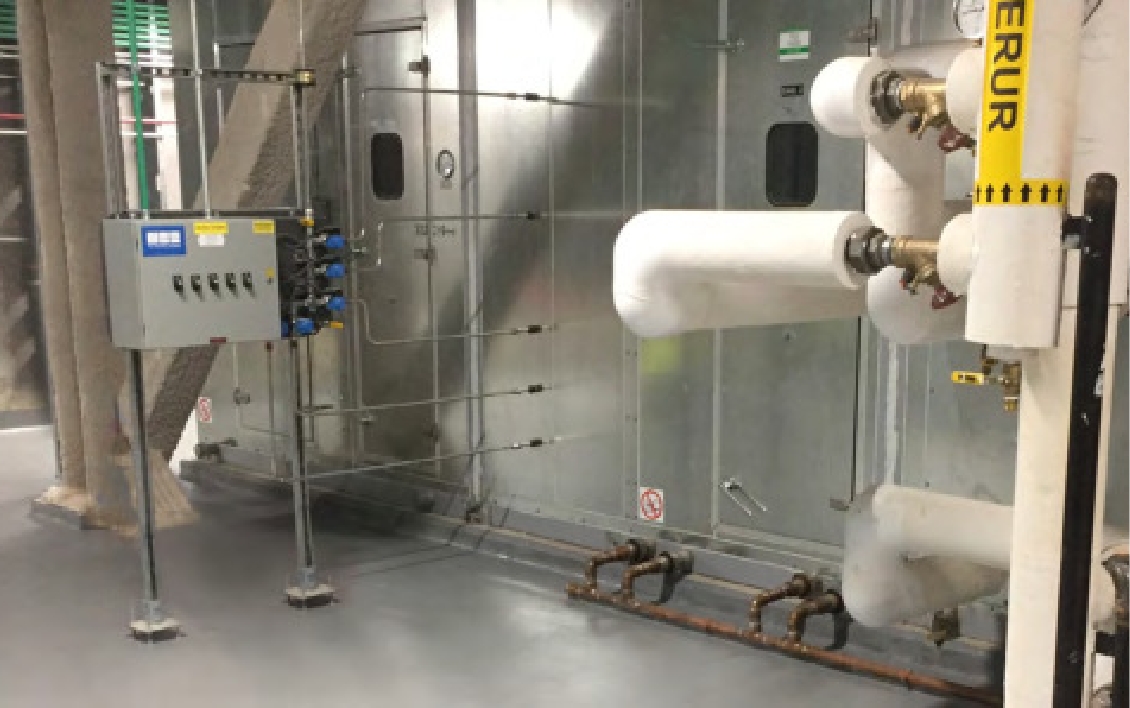
A high-pressure fog system, like those from Mee Industries, fits smoothly into new or existing ventilation frameworks. It can connect to central air handlers, localized zones, or dedicated process areas. In manufacturing or data centers, this flexibility helps you maintain precise climate control where it matters most.
Misters consume more water per unit of cooling because only part of their spray evaporates efficiently. In contrast, a high-pressure fogging system converts nearly every droplet into vapor. This efficiency not only saves water but also reduces energy costs and carbon emissions by lowering dependence on mechanical cooling.
Many industries now prioritize sustainability as part of long-term facility goals. High-pressure fogging technology supports that objective directly. By combining energy-efficient pumps, precise droplet formation, and integrated automation, you can achieve both climate control and environmental responsibility.
Misting and fogging systems have ideal applications based on their design and output. Selecting the appropriate system provides optimal results and efficiency for your intended purpose.
If you manage gas turbines, heat exchangers, or cleanrooms, a high-pressure fogging system delivers distinct advantages. The ultra-fine droplets can cool large air volumes without wetting machinery. Power plants use fogging to increase gas turbine output in hot weather and boost overall performance. The fog evaporates before contacting sensitive equipment, reducing corrosion risks and maintenance cycles.
On the other hand, traditional misters in industrial applications are more likely to cause localized wetting, uneven cooling, and higher water use. If droplet size is uncontrolled, you might face safety concerns, extra clean-up, and performance problems that set back your operational targets.
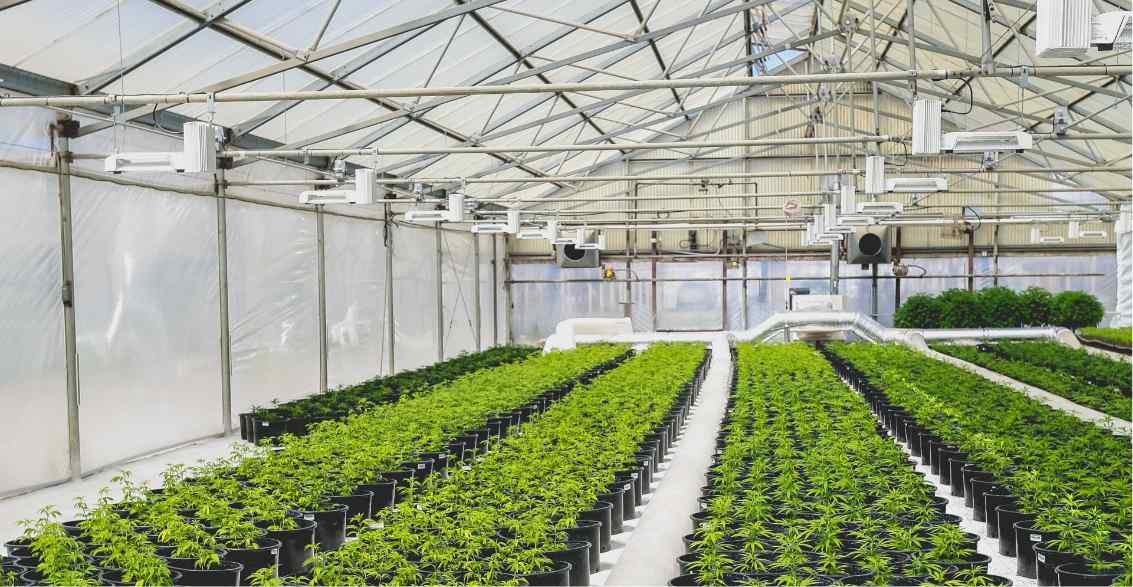
Fog is the better choice for greenhouses cultivating high-value crops, where stable humidity and temperature are linked directly to plant health. High-pressure fog systems create a more stable microclimate and support integrated pest management by keeping leaf surfaces dry.
Traditional mist systems might be suitable for outdoor shade cooling, but tend to produce visible wet spots and promote disease if installed in tight greenhouse rows.
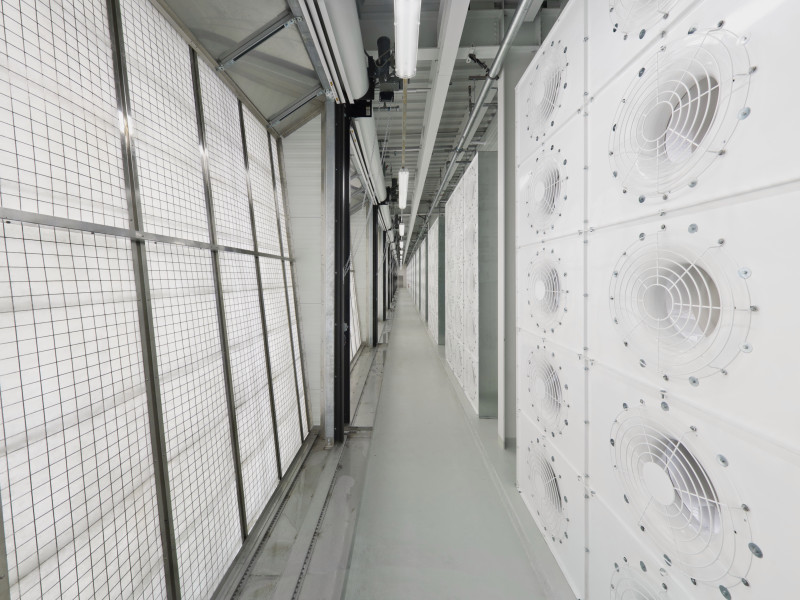
Large buildings, museums, and data centers benefit from the way a high-pressure fog system manages humidity and temperature. The rapid evaporation rate of small droplets prevents condensation that can damage sensitive electronics or priceless artifacts.
Traditional misters often create inconsistent humidity, with some areas too dry and others too wet. This inconsistency causes product loss, user discomfort, or regulatory breaches. An engineered fog system levels the playing field, delivering targeted control that meets strict facility requirements.
For shows, themed attractions, or visual displays, the fog created by high-pressure systems lingers in the air and refracts light evenly, producing immersive effects. Since the fine droplets don’t leave guests or surfaces wet, you can run longer shows and avoid slip hazards.
Misters may work for basic cooling outdoors, but cannot deliver theatrical effects. If you manage an event venue or amusement park, the detail and control of true fog adds a dimension that audiences remember.
Choosing between fog systems and misting systems begins with a clear review of your goals.
Many facilities are increasingly looking to high-pressure fog systems for the most demanding environments, where a stronger ROI is tied to precise environmental outcomes. If you operate outdoors or have a simple cooling need, misting systems might check the right boxes at a lower up-front cost. But for industrial, agricultural, or commercial applications where performance, efficiency, and reliability matter, a high-pressure fogging system is the trusted standard.
The difference between fog systems and misting systems centers on precision, droplet size, and efficiency. While misters deliver quick relief for open-air cooling, high-pressure fog systems provide advanced control for demanding industrial and commercial settings.
MeeFog has led innovation in fog technology for over 50 years. Each system reflects a commitment to energy performance, reliability, and quality engineering. Whether you want to stabilize humidity in a manufacturing plant, protect electronics, or reduce cooling loads, a high-pressure fogging system offers measurable results that traditional misters simply cannot match.
Request a quote now to design a system that fits your climate and production goals precisely.